


How to Prevent Shirt Shrinking
Table of Contents
- Why Shirts Shrink and How to Stop It
- Understanding Fabric Labels and Care Instructions
- How to Wash Heavyweight Cotton Without ShrinkageCold water cycle and temperature controlSelecting the right wash cycleUsing gentle detergents and fabric care
- Drying Methods That Preserve Shirt ShapeAir drying versus machine dryingTurning clothes inside out to reduce friction
- Avoiding Pilling on Cotton Hoodies and Tees
- How to Stretch Out a Shrunken Shirt
- Why Heavyweight Cotton Holds Its Shape Better
- Conclusion
Last Updated: August 29, 2026
How to Prevent Shirt Shrinking
Why Shirts Shrink and How to Stop It
Fabric fibres contract when exposed to heat and moisture. This thermal contraction is the primary culprit behind unwanted shrinkage in cotton garments. Understanding the mechanics of how this happens, and knowing which fabrics are most susceptible, is the first step toward protecting your investment in quality clothing.
Most people assume shrinkage is inevitable. It's not. The difference between a shirt that holds its shape wash after wash and one that becomes unusable in six months comes down to one thing: how you treat it. Temperature control, wash cycle selection, and drying method account for roughly 90% of whether your garments survive the laundry intact.
At BLNCE Streetwear, we craft our heavyweight cotton pieces from 300GSM+ fabric specifically because it resists shrinkage better than standard cotton. But even premium fabric needs proper care. The heavyweight construction gives you a structural advantage, the dense weave and higher fibre density mean less agitation damage and slower moisture absorption. That said, the wrong washing approach will still compromise even the best-made shirt.
Understanding Fabric Labels and Care Instructions
Your garment's care label is not a suggestion. It's a technical specification based on how that particular fabric responds to water, heat, and mechanical action. Reading it properly, and following it consistently, will preserve your shirt's shape far more effectively than any hack or shortcut.
Most care labels follow a standardised system using symbols and temperature ranges. The washing symbol (a tub with lines underneath) indicates the maximum water temperature and agitation level your garment can tolerate. A single line beneath the tub means delicate cycle. Two lines mean permanent press or synthetic. No lines mean normal cycle. These distinctions matter because they directly affect how much the fibres move during washing.
The temperature number inside the tub is your critical constraint. A label reading "30°C" means the fabric will begin to experience measurable shrinkage above that temperature. A "40°C" label gives you slightly more margin. Understanding this threshold is essential because water temperature is one of the few variables you fully control.
Synthetic blends behave differently than natural fibres. A shirt labelled as 85% cotton, 15% polyester will shrink less than 100% cotton because polyester fibres don't absorb water the way cotton does. The polyester acts as a stabiliser, preventing the cotton from contracting as severely. This is why many manufacturers blend fabrics, not always for cost, but for shrinkage resistance.
How to Wash Heavyweight Cotton Without Shrinkage
Washing heavyweight cotton properly requires controlling three variables: water temperature, wash cycle intensity, and detergent chemistry. Get all three right, and your shirt will maintain its shape for years. Get one wrong, and you'll see visible shrinkage within 5-10 washes.
Cold water cycle and temperature control
Cold water is non-negotiable for prevent shirt shrinking. The science here is straightforward: heat causes cellulose fibres to relax and contract. Cold water prevents this contraction from occurring in the first place.
A cold water cycle, typically 15-20°C, keeps your fabric stable. Warm water (30-40°C) begins to trigger fibre relaxation. Hot water (above 50°C) causes rapid, dramatic shrinkage. For heavyweight cotton, cold water isn't a preference; it's a requirement if you want the garment to fit six months from now the way it fits today.
One critical detail most guides miss: water hardness affects how much your fibres absorb moisture. Hard water (high mineral content) causes fabrics to absorb more water, which means more swelling and more potential for shrinkage during the drying phase. If you're in an area with hard water, a water softener or a chelating agent in your detergent helps reduce this effect.
Cold water also reduces friction between garments during the wash cycle. Less friction means less pilling, less fading, and less mechanical stress on the fabric structure. For a premium heavyweight tee, this is the difference between a garment that looks new after 50 washes and one that looks worn after 15.
Selecting the right wash cycle
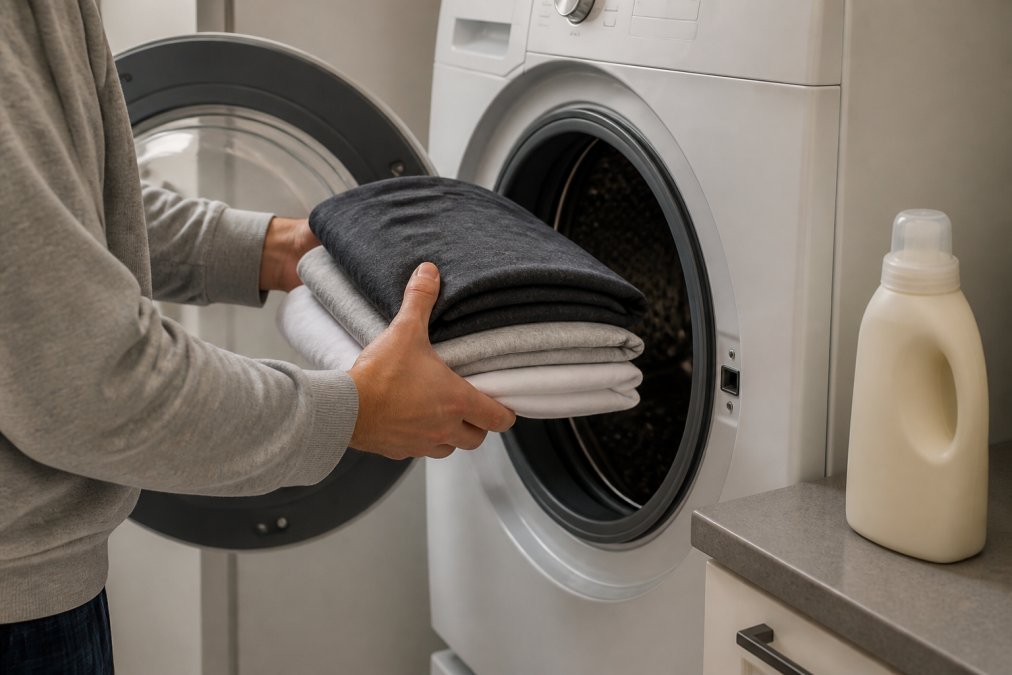
Your washing machine offers several cycle options. Most people default to normal cycle, which is a mistake for quality garments. Normal cycle uses high agitation and high spin speed, both of which accelerate shrinkage and damage to fabric structure.
For heavyweight cotton, use a delicate or gentle wash cycle. These cycles reduce agitation intensity and lower the spin speed, which means less mechanical stress on the fibres. The wash still cleans effectively because detergent does the actual cleaning work, agitation just helps the detergent reach all surfaces. Less agitation doesn't mean less clean; it means gentler treatment.
Spin speed matters more than most people realise. High spin speeds (1200+ RPM) extract water aggressively, which forces fibres to move and contract. A lower spin speed (600-800 RPM) removes water more gently, allowing fibres to relax in their original position. For prevent shirt shrinking, aim for a delicate cycle with reduced spin speed.
Wash load size is another overlooked variable. Overloading your machine means garments have less space to move, which creates friction and compression. This mechanical action contributes to shrinkage. Wash your heavyweight pieces with a smaller load, roughly 60% of your machine's capacity, to give them room to move freely without friction damage.
Using gentle detergents and fabric care
Not all detergents are created equal. Standard detergents contain surfactants and enzymes designed to break down dirt and oils aggressively. For quality heavyweight cotton, you need a gentler formula.
Look for detergents labelled as "gentle," "delicate," or "woolite." These formulas use milder surfactants that clean without aggressive chemical action. They're also typically phosphate-free and enzyme-free, which means they won't break down the cotton fibre structure itself.
Fabric softeners are tempting but counterproductive. Softeners work by coating fibres with a waxy substance that reduces friction. This coating also reduces water absorption, which sounds good until you realise it traps moisture inside the garment, leading to mildew and uneven drying. For prevent shirt shrinking, skip the softener entirely.
The amount of detergent matters. More detergent doesn't mean cleaner clothes; it means residue that's harder to rinse out. Excess detergent buildup can make fabrics feel stiff and can accelerate wear. Use roughly half the recommended amount for a full load of heavyweight pieces.
Drying Methods That Preserve Shirt Shape
How you dry your shirt is equally important as how you wash it. In fact, drying is where most shrinkage actually occurs. The washing phase prepares the fibres; the drying phase locks in either the correct shape or permanent damage.
Air drying versus machine drying
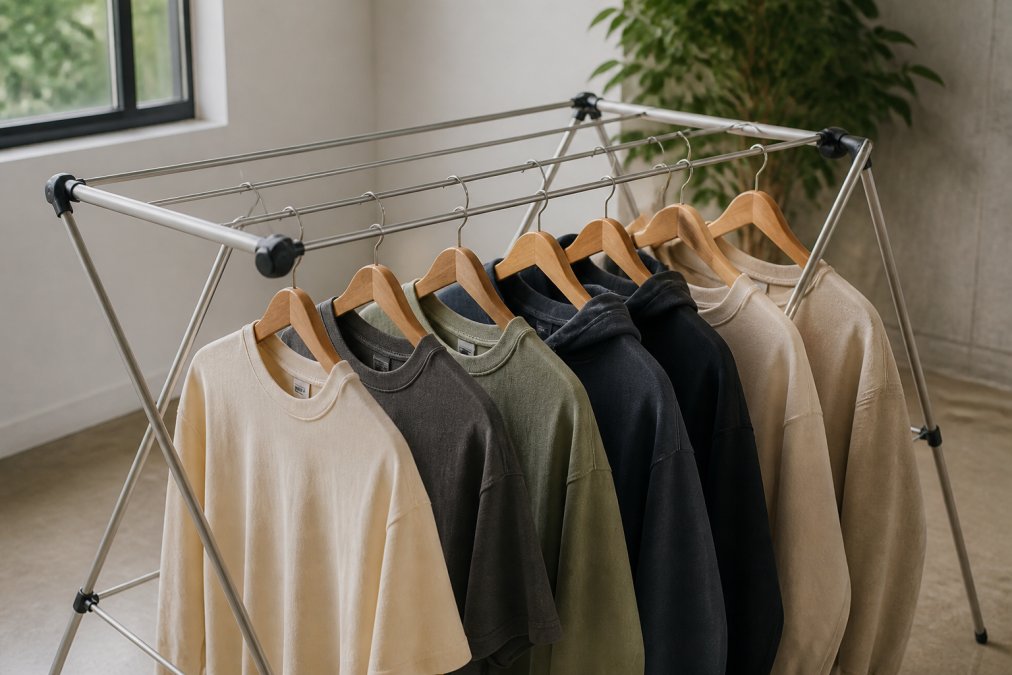
Air drying is the gold standard for prevent shirt shrinking. When you hang a wet shirt to dry, gravity pulls the fabric straight, and the fibres relax back into their original position as they lose moisture. There's no heat, no mechanical tumbling, and no forced contraction. This is why air drying produces the best results.
Machine drying (tumble dry) uses heat and mechanical rotation. Both of these accelerate shrinkage. Even on a low heat setting, a dryer can cause 3-5% shrinkage in a single cycle (peer-reviewed research on textile shrinkage). Over 20 washes, that compounds into a noticeably smaller garment.
If you must use a machine dryer, use the lowest heat setting available, typically labelled "delicate" or "low." Remove the shirt while it's still slightly damp (not fully dry), then hang it to finish drying. This hybrid approach reduces heat exposure while still using the dryer's initial extraction phase.
Air drying typically takes 4-8 hours depending on humidity and air circulation. For heavyweight cotton, this is time well spent. The garment dries evenly, the fibres settle into their correct position, and you eliminate the heat-related shrinkage that a dryer introduces.
Turning clothes inside out to reduce friction
Turning your shirt inside out before washing and drying reduces friction damage to the visible surface. The outer fibres experience less mechanical stress, which means less pilling, less fading, and less wear.
This technique also protects printed graphics. Screen-printed designs can crack and fade when rubbed against other garments or the washing machine drum. Turning the shirt inside out shields the print from direct contact.
For heavyweight cotton pieces with embroidered details (like BLNCE Streetwear's signature neckline embroidery), turning inside out is essential. Embroidered areas are more delicate than flat-weave sections, and inside-out washing protects them from snagging and loosening.
Avoiding Pilling on Cotton Hoodies and Tees
Pilling occurs when short fibres work loose from the fabric surface and ball up into small clusters. This happens through friction and mechanical agitation. Heavyweight cotton resists pilling better than lightweight alternatives because the denser weave holds fibres more securely, but it can still happen with improper care.
The primary cause of pilling is washing with abrasive fabrics. Mixing your cotton hoodie with rough synthetics, denim, or heavily textured garments creates friction that loosens surface fibres. Wash your heavyweight pieces separately or with similar-weight, smooth fabrics.
Avoid fabric softeners and conditioning treatments. These coat the fibre surface, which can actually make pilling worse by loosening the fibre structure. Stick with gentle detergent and cold water.
If pilling does occur, use a fabric comb or pilling removal tool to gently brush the affected area. These tools are inexpensive and effective. Never pick at pills with your fingers, you'll damage the underlying fabric.
How to Stretch Out a Shrunken Shirt
If you've already experienced shrinkage, the good news is that some recovery is possible. The process requires patience and proper technique, but many garments can be restored to near-original dimensions.
The most effective method uses warm water and gentle stretching. Soak the shrunken shirt in lukewarm water (around 30°C) with a small amount of hair conditioner or fabric relaxer for 10-15 minutes. The conditioner helps relax the fibres without damaging them. Remove the shirt and gently squeeze out excess water, don't wring it.
Lay the damp shirt flat on a clean towel. Gently stretch it lengthwise and widthwise to approximate its original dimensions. Pin or weight the edges down if needed. Allow it to air dry completely in this stretched position. As it dries, the fibres will set into the new shape.
This method works best on cotton-dominant fabrics and when shrinkage is mild (under 5%). Severe shrinkage (10% or more) is difficult to reverse completely, which is why prevention is far more effective than recovery.
For heavyweight cotton specifically, the dense fibre structure actually makes recovery easier than with lightweight cotton. The fibres are more resilient and more willing to relax back into shape when properly moisturised and stretched.
Why Heavyweight Cotton Holds Its Shape Better
The difference between a 150GSM tee and a 300GSM tee isn't just feel, it's structural integrity. Heavyweight cotton resists shrinkage because of how the fibres are woven together.
GSM (grams per square metre) measures fabric density. A 300GSM shirt has roughly twice as much cotton fibre per square inch as a 150GSM shirt. This density creates a tighter weave, which means:
- Less water absorption: Tighter weave = slower moisture penetration = less fibre swelling
- Less fibre movement: Dense construction restricts how much individual fibres can shift during washing and drying
- Better structural recovery: More fibres supporting each other means the fabric bounces back to shape more easily
This is why BLNCE Streetwear's 300GSM+ pieces maintain their fit year after year. The heavyweight construction provides a built-in shrinkage buffer. You can be slightly less obsessive about cold water and delicate cycles with heavyweight cotton than with lightweight alternatives, though proper care still matters.
The premium feel people associate with luxury streetwear comes directly from this GSM advantage. It's not just marketing. A heavyweight tee genuinely feels more substantial, drapes better, and holds its shape because the fibre density is fundamentally different.
Preventing shirt shrinkage comes down to controlling three variables: water temperature, wash intensity, and drying method. Cold water, gentle cycles, and air drying will preserve your garment's shape for years. Heavyweight cotton provides a structural advantage, the denser weave resists shrinkage naturally, but even premium fabric requires proper care to maintain its integrity. BLNCE Streetwear's 300GSM+ pieces are engineered to hold their shape, and with these care practices, you'll keep that structured, luxury feel that makes quality streetwear worth the investment. Shop now and experience the difference heavyweight construction makes.
Frequently Asked Questions
Does cold water washing actually prevent shirt shrinkage?
Yes. Cold water significantly reduces heat exposure, which is a primary cause of thermal contraction in cotton fibres. Washing in cold water (below 20°C) combined with a delicate wash cycle minimises the risk of shrinkage. Hot water accelerates fibre relaxation and mechanical action, causing garments to contract. For heavyweight cotton pieces, cold water washing is essential to maintain garment longevity and preserve the structured fit that premium fabrics provide.
How do you unshrink a shirt that has already shrunk?
To stretch out a shrunken shirt, soak it in lukewarm water with a fabric softener or hair conditioner for 20-30 minutes to relax the fibres. Gently squeeze out excess moisture without wringing, then lay the shirt flat on a clean towel and carefully stretch it to its original dimensions. Pin or weight down the edges if needed. Air dry completely in this stretched position. This works best on cotton items that have shrunk by 5-10%. Severely shrunken garments may not return fully to their original size.
What's the difference between delicate wash and regular wash cycles?
Delicate wash cycles use lower agitation, slower spin speeds, and shorter wash times, which reduce mechanical action and friction on fabric fibres. Regular cycles use higher agitation and faster spin speeds, causing more stress on the textile and increasing shrinkage risk. For heavyweight cotton hoodies and tees, a delicate or gentle wash cycle protects the fabric's integrity and prevents both shrinkage and pilling. This is especially important if you want your premium-quality garments to maintain their shape and appearance over time.
Can air drying stop clothes from shrinking?
Air drying significantly reduces shrinkage compared to tumble drying because it eliminates heat exposure, the primary driver of thermal contraction in cotton. However, air drying alone won't prevent shrinkage if the garment was already exposed to hot water during washing. The key is combining cold water washing with air drying on a drying rack or flat surface. Avoid direct sunlight on delicate fabrics, and ensure the garment dries slowly and evenly to preserve its shape and fibre relaxation.
This article was written using GrandRanker