


Luxury Streetwear
The fashion industry has witnessed a remarkable transformation over the past decade, with streetwear ascending from underground subculture to legitimate luxury category. What began as skate culture and hip-hop inspired apparel has evolved into a multi-billion dollar industry commanding premium prices and attracting investment from established fashion houses. A luxury streetwear brand today represents far more than expensive hoodies and limited-edition sneakers-it embodies cultural capital, community belonging, and authentic storytelling. For brands seeking to establish themselves in this competitive space, understanding the nuances that separate genuine luxury streetwear from mass-market alternatives becomes essential for success.
The Evolution of Premium Urban Fashion
The journey from street corners to fashion week runways represents one of the most significant shifts in contemporary fashion. Traditional luxury houses initially dismissed streetwear as juvenile or temporary, yet brands like Supreme, Off-White, and Fear of God proved that consumers craved authenticity and cultural relevance as much as craftsmanship. This transformation accelerated when luxury fashion embraced streetwear aesthetics, creating an entirely new category.
Cultural Authenticity as Foundation
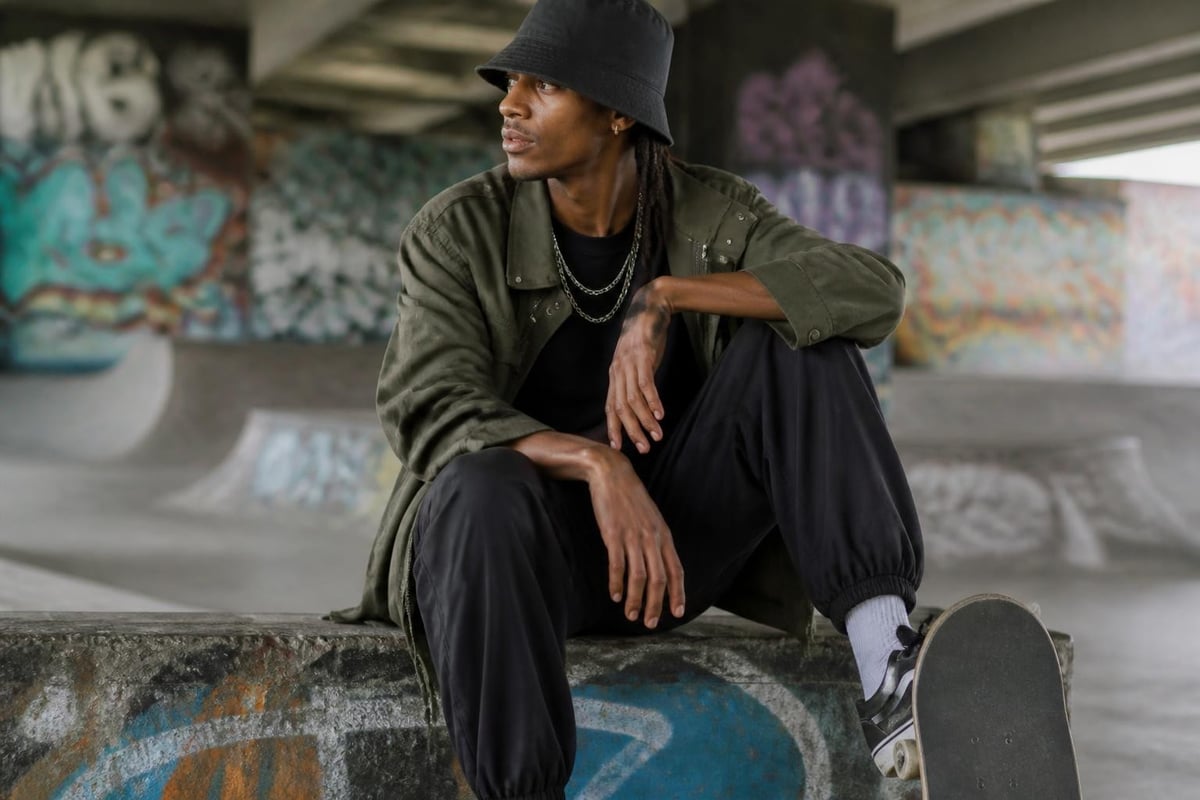
Every successful luxury streetwear brand builds its foundation on genuine cultural connections. Whether rooted in skateboarding, basketball, music, or art, these brands tell stories that resonate with their communities. Unlike traditional luxury, which often emphasizes heritage spanning centuries, streetwear luxury derives credibility from contemporary cultural movements and grassroots origins.
The most respected brands maintain this authenticity even as they scale. They collaborate with artists, musicians, and cultural figures who genuinely align with their values. These partnerships extend beyond transactional endorsements to meaningful creative exchanges that benefit both parties and, more importantly, enrich the community.
Key authenticity markers include:
- Founder stories rooted in genuine subculture participation
- Consistent engagement with community members
- Collaborations that feel organic rather than commercial
- Design elements reflecting specific cultural references
- Transparency about manufacturing and sourcing decisions
Quality Construction and Material Selection
While cultural credibility opens doors, product quality determines whether a luxury streetwear brand sustains long-term success. Premium materials separate luxury offerings from fast fashion alternatives, even when silhouettes appear similar. Understanding fabric weight, construction techniques, and finishing details becomes crucial for brands positioning themselves at higher price points.
Premium Fabric Technologies
Modern luxury streetwear often incorporates technical fabrics originally developed for performance wear. French terry, heavyweight cotton, and specialty blends offer both comfort and durability. BLNCE Streetwear's heavyweight offerings exemplify how premium materials enhance everyday wear, providing substance that justifies higher retail prices.
The best brands specify exact fabric weights, thread counts, and construction methods. A heavyweight hoodie might feature 400-450 GSM fabric compared to 250 GSM in mass-market alternatives. These specifications communicate value to educated consumers who recognize the difference between thin, disposable garments and investment pieces designed for longevity.
| Quality Element | Mass Market | Luxury Streetwear | Impact |
|---|---|---|---|
| Fabric Weight | 180-250 GSM | 350-500 GSM | Durability, drape, premium feel |
| Construction | Basic stitching | Reinforced seams, flatlock | Longevity, professional finish |
| Hardware | Standard zippers | YKK, custom pullers | Functionality, brand detail |
| Printing | Screen print | Specialty inks, embroidery | Visual depth, wash resistance |
| Fit Development | Generic sizing | Pattern perfected | Comfort, style retention |
Manufacturing Excellence
Where and how garments are produced significantly impacts brand perception. Many luxury streetwear brands manufacture in countries known for specific expertise-Portugal for knitwear, Japan for denim, Canada for outerwear. This geographical specificity communicates commitment to quality while adding storytelling dimension.
Ethical manufacturing practices increasingly influence purchasing decisions, particularly among younger consumers who form streetwear's core demographic. Transparency about factory conditions, fair wages, and environmental impact builds trust and justifies premium pricing. Brands that openly share their production processes demonstrate confidence in their supply chain integrity.
Pricing Strategy and Perceived Value
Establishing appropriate pricing for a luxury streetwear brand requires balancing production costs, market positioning, and consumer psychology. Price points signal quality expectations while determining competitive positioning. Too low suggests inferior materials or construction; too high without justification alienates potential customers.
The Premium Positioning Spectrum
Luxury streetwear occupies various price tiers, from accessible premium to ultra-luxury. Entry-level luxury pieces-tees at $80-120, hoodies at $180-250-offer gateways for aspirational consumers. Mid-tier items ($250-500) represent core collections, while limited collaborations and specialty pieces command $500-2000+.
Understanding current luxury streetwear trends helps brands position themselves appropriately within this spectrum. The rise of "quiet luxury" in 2025-2026 influences pricing strategies, with some brands increasing prices while minimizing obvious branding-a counterintuitive approach that paradoxically enhances exclusivity.
Pricing consideration factors:
- Raw material costs and manufacturing expenses
- Comparable brands' positioning and price points
- Target demographic's purchasing power and willingness to pay
- Perceived value through storytelling and presentation
- Distribution strategy (direct-to-consumer versus wholesale)
- Limited availability and scarcity tactics
Community Building and Brand Loyalty
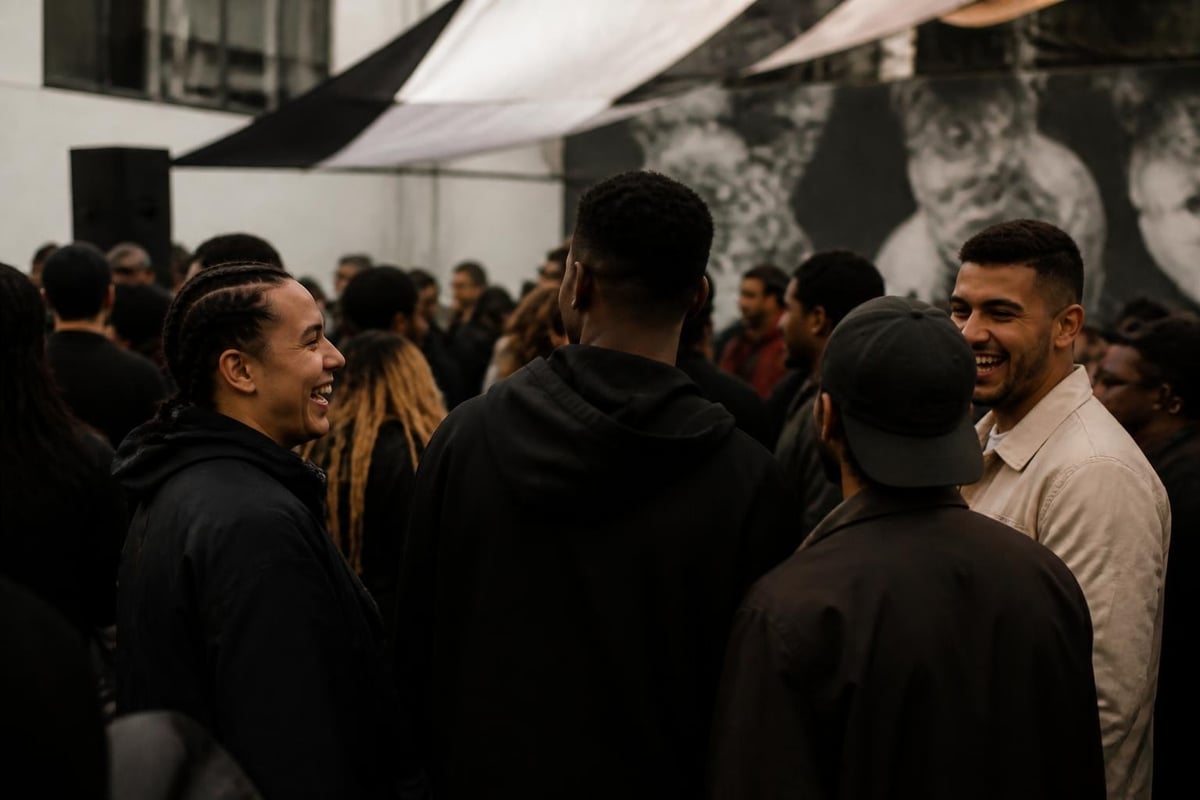
Unlike traditional luxury's aspirational distance, successful luxury streetwear brands cultivate intimate community relationships. These communities function as both customer base and creative collaborators, influencing design decisions and amplifying brand messaging organically. Building community engagement represents perhaps the most critical success factor.
Digital Community Platforms
Social media transformed how luxury streetwear brands interact with audiences. Instagram serves as primary visual storytelling platform, while Discord and Telegram enable direct dialogue. These channels facilitate product feedback, exclusive previews, and collaborative ideation sessions that make community members feel invested in brand evolution.
The most sophisticated brands segment their communities, offering tiered access based on engagement levels or purchase history. Early access to drops, exclusive colourways, or collaborative opportunities reward loyal customers while creating aspirational incentives for newer community members.
Limited Releases and Scarcity Marketing
Scarcity drives desire in luxury streetwear more than traditional fashion categories. Limited production runs, timed drops, and collaboration exclusivity create urgency that commands premium prices and generates cultural buzz. However, artificial scarcity without genuine value proposition alienates sophisticated consumers who recognize manipulative tactics.
Strategic Drop Schedules
Successful drops balance accessibility and exclusivity. Releasing products too frequently dilutes brand cachet; too rarely and brands miss revenue opportunities while frustrating engaged customers. Many brands adopt seasonal drops (4-6 annually) supplemented by collaboration launches and special releases.
BLNCE Streetwear's approach to collections demonstrates how curated offerings maintain excitement without overwhelming customers. Each piece receives attention rather than disappearing into vast, constantly refreshing catalogues.
The logistics behind drops require meticulous planning. Website infrastructure must handle traffic spikes, inventory systems need precise accuracy, and fulfilment operations require efficiency to deliver premium customer experience. Technical failures during high-profile drops damage brand reputation regardless of product quality.
Design Philosophy and Visual Identity
A luxury streetwear brand's design language extends beyond individual garments to encompass logos, packaging, retail spaces, and digital presence. Cohesive visual identity strengthens brand recognition while communicating values and positioning. Every touchpoint-from hangtags to website typography-contributes to overall brand perception.
Minimalism Versus Maximalism
Contemporary luxury streetwear spans aesthetic extremes. Some brands embrace bold graphics, vibrant colours, and obvious branding, while others pursue refined minimalism with subtle details. The shift toward quiet luxury reflects broader cultural movements, though room exists for both approaches depending on target demographic and brand story.
The most enduring brands develop signature design elements-specific fits, recurring motifs, distinctive colour palettes-that enable recognition without requiring prominent logos. These subtle identifiers appeal to consumers seeking luxury status that signals to informed observers rather than broadcasting to everyone.
| Design Approach | Characteristics | Target Consumer | Example Elements |
|---|---|---|---|
| Logo-Forward | Bold branding, graphic tees, obvious status | Aspirational youth, streetwear enthusiasts | Large chest prints, branded hardware |
| Quiet Luxury | Minimal branding, premium materials, subtle details | Mature consumers, design-focused buyers | Tonal embroidery, quality fabrics |
| Technical | Functional details, innovative materials, utility | Performance-oriented, urban professionals | Reflective elements, weatherproof fabrics |
| Heritage-Inspired | Vintage aesthetics, nostalgic references | Culture enthusiasts, collectors | Retro colours, archival reissues |
Content Marketing and Storytelling
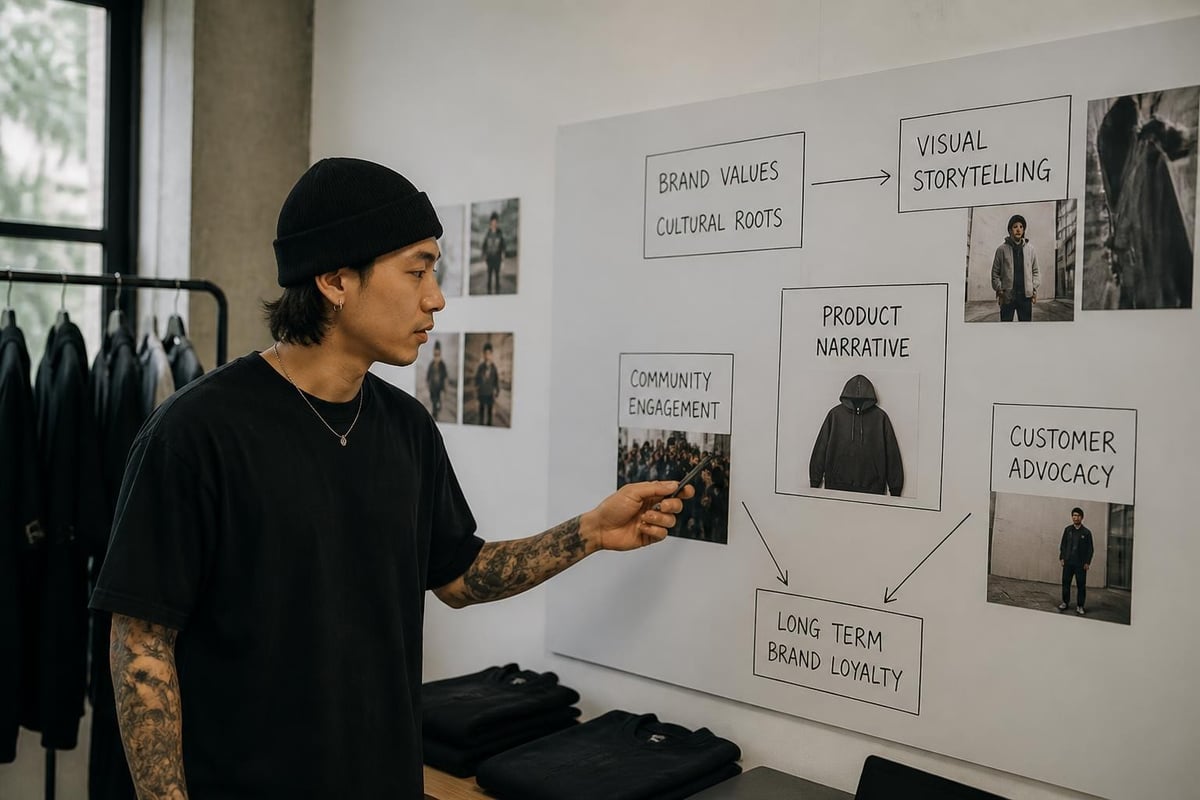
Luxury streetwear brands excel at narrative construction, transforming products into chapters of ongoing stories. Through lookbooks, short films, editorial content, and social media, brands contextualize garments within larger cultural conversations. This storytelling adds emotional value that justifies premium pricing beyond material costs.
Visual Content Strategies
Professional photography and videography distinguish luxury brands from amateur operations. Investment in content creation pays dividends through enhanced perceived value and social media performance. Lookbooks shot in culturally relevant locations with authentic casting communicate brand values more effectively than sterile studio images.
Behind-the-scenes content humanizes brands while demonstrating craftsmanship. Factory tours, design process documentation, and founder interviews build transparency and trust. Heavyweight tee construction details, for example, educate consumers about quality differentiators they might otherwise overlook.
Effective content types include:
- Product detail videos highlighting construction quality
- Cultural documentaries connecting brand to broader movements
- Collaboration announcement campaigns with partner brands or artists
- Customer styling features showcasing real wear
- Educational content about materials, care, and sustainability
Sustainability and Ethical Production
Modern luxury consumers, particularly those under 35, increasingly prioritize sustainability when making purchasing decisions. A luxury streetwear brand ignoring environmental and social responsibility risks alienating its core demographic. However, genuine commitment differs significantly from superficial "greenwashing" that sophisticated consumers quickly identify and reject.
Sustainable Material Innovation
Premium positioning enables investment in sustainable materials that mass-market brands cannot afford. Organic cotton, recycled polyester, innovative plant-based fabrics, and responsible wool sources align luxury quality with environmental consciousness. These materials often perform better and last longer than conventional alternatives, supporting luxury positioning through tangible benefits.
Transparency about sustainability efforts builds credibility. Specific certifications (GOTS, OEKO-TEX, Fair Trade) provide third-party validation, while detailed supply chain disclosure demonstrates confidence and accountability. Brands should communicate both achievements and ongoing challenges, acknowledging that sustainability represents a journey rather than a destination.
Collaboration Strategy
Strategic collaborations accelerate brand growth, introduce products to new audiences, and generate cultural relevance. The most successful luxury streetwear brands carefully select collaboration partners whose values and aesthetics complement rather than contradict their identity. These partnerships should feel inevitable rather than opportunistic.
Collaboration Categories
Artist collaborations transform garments into wearable art, appealing to collectors and culture enthusiasts. Musicians bring fan bases and cultural credibility. Brand-to-brand partnerships combine strengths, like streetwear brands collaborating with heritage luxury houses or performance wear companies. Each collaboration type offers distinct benefits and reaches different audience segments.
Limited collaboration releases often command significantly higher prices than standard products, sometimes 50-200% premiums. This pricing reflects scarcity, collaborative cachet, and collectability. Annual marketplace trends reveal which collaboration categories maintain resale value, informing future partnership decisions.
Distribution Channels and Retail Experience
Where customers purchase products significantly influences brand perception. A luxury streetwear brand must carefully curate distribution to maintain exclusivity while achieving necessary sales volume. The tension between accessibility and scarcity requires sophisticated channel management.
Direct-to-Consumer Advantages
Operating owned e-commerce platforms provides maximum control over brand presentation, customer data, and profit margins. DTC channels enable direct community relationships and rapid iteration based on feedback. However, this approach requires significant investment in technology, fulfilment, and customer service.
Physical retail, whether owned flagship stores or carefully selected stockists, offers tangible brand experiences impossible through digital channels. Touching fabrics, experiencing fits, and inhabiting branded spaces create emotional connections that drive loyalty. BLNCE Streetwear's collection demonstrates how online presentation can communicate quality, yet physical retail adds irreplaceable dimensions.
Market Analysis and Positioning
Understanding competitive landscape enables strategic positioning that differentiates rather than duplicates. Brand perception research reveals how consumers view various luxury streetwear brands, identifying gaps and opportunities. Analyzing competitor pricing, product categories, marketing approaches, and community engagement informs strategic decisions.
Competitive Differentiation Tactics
Successful brands identify underserved niches within broader luxury streetwear category. Geographic focus, specific subculture alignment, unique aesthetic approach, or distinctive values create differentiation. The goal isn't necessarily being better than competitors but rather being different in ways that resonate with target consumers.
Price positioning relative to competitors signals brand tier. Consistently pricing below aspirational competitors suggests accessibility focus, while premium positioning communicates superior quality or exclusivity. Premium streetwear brand strategies vary widely, demonstrating multiple viable approaches depending on brand strengths and market opportunities.
Future-Proofing Through Innovation
The luxury streetwear landscape evolves rapidly, with yesterday's cutting-edge approaches becoming today's standard practices. Brands must continuously innovate across product development, marketing, community engagement, and business operations. This innovation mindset separates enduring brands from temporary phenomena.
Technology Integration
Digital innovation extends beyond e-commerce basics. Augmented reality fitting tools, NFT authentication certificates, blockchain supply chain tracking, and virtual showrooms represent emerging technologies reshaping luxury fashion. Early adopters gain competitive advantages and position themselves as forward-thinking leaders.
Product innovation matters equally. Technical fabric development, sustainable material research, and functional design improvements keep offerings fresh and justify ongoing customer engagement. Exploring luxury urban clothes evolution reveals how brands balance heritage and innovation.
Building a successful luxury streetwear brand requires mastering numerous interconnected elements-from authentic cultural foundations and premium construction to strategic pricing and community cultivation. Each decision, from material selection to collaboration partnerships, contributes to overall brand perception and long-term viability. For those seeking to experience the intersection of quality craftsmanship and urban style, BLNCE Streetwear offers thoughtfully designed hoodies, tees, shorts, and joggers that balance contemporary aesthetics with everyday functionality-proving that accessible luxury streetwear combines premium materials, considered design, and genuine commitment to community.