


The intersection of high fashion and street culture has produced few movements as transformative as the rise of offwhite streetwear. What began as a revolutionary approach to design has evolved into a cultural phenomenon that transcends traditional fashion boundaries, influencing everything from how we perceive luxury to how brands connect with younger, more diverse audiences. This aesthetic movement represents more than clothing-it embodies a philosophy of accessibility, irony, and cultural commentary that continues to shape the industry in 2026.
The Origins and Cultural Significance of Offwhite Streetwear
The foundation of offwhite streetwear emerged from the visionary work of Virgil Abloh, who recognised a gap between luxury fashion and the authentic street culture that inspired it. Launching in 2013, the movement challenged conventional fashion hierarchies by placing quotation marks around established norms and deconstructing the very idea of what makes clothing "high-end."
This approach resonated deeply with a generation that valued authenticity over exclusivity. The aesthetic choices-industrial belts, zip ties, and graphic text overlays-weren't merely decorative elements. They served as visual commentary on fashion's self-importance while simultaneously creating instantly recognisable design signatures.
Design Philosophy and Visual Language
At its core, offwhite streetwear introduced a distinctive visual vocabulary that became instantly identifiable. The strategic use of quotation marks around common words transformed ordinary labels into philosophical statements about fashion's relationship with language and meaning.
Key design elements include:
- Industrial hardware repurposed as fashion statements
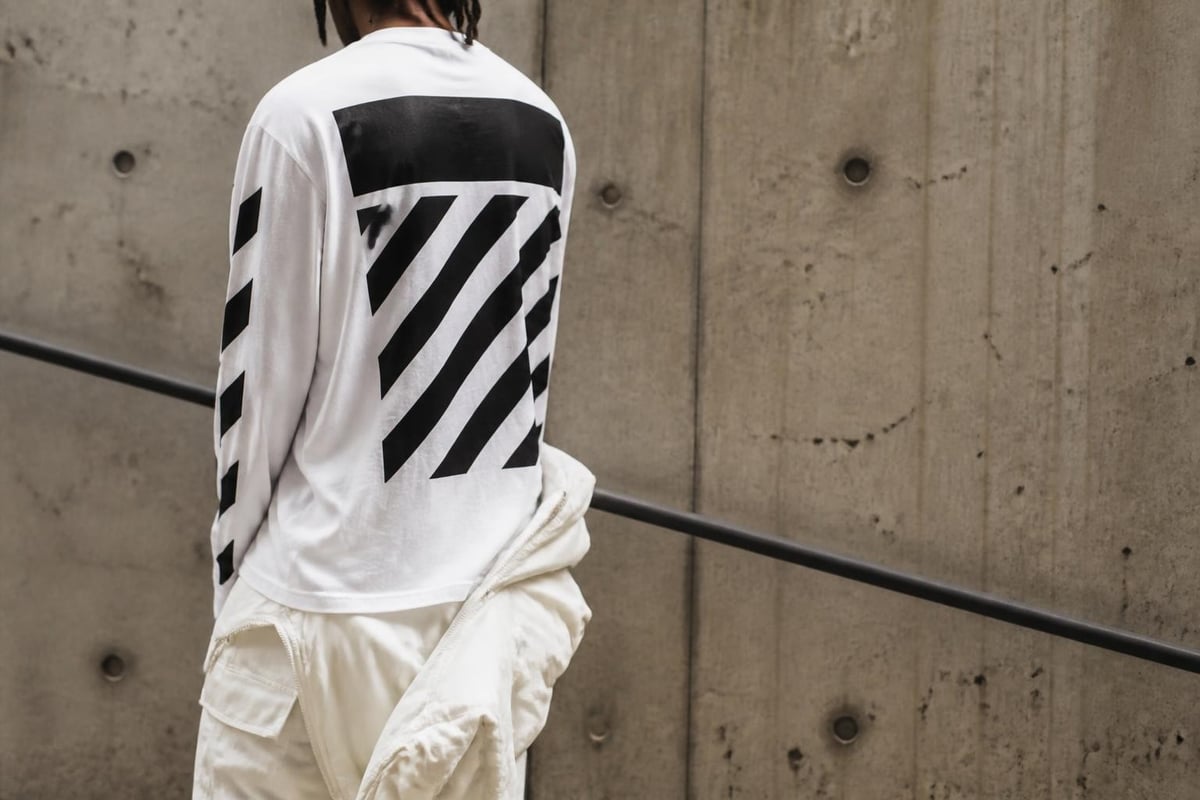
- Diagonal stripe motifs creating dynamic visual movement
- Transparent typography layering information and aesthetics
- Deconstructed silhouettes challenging traditional garment construction
- Color-blocking techniques that merge streetwear with runway sensibilities
These elements weren't random choices but carefully considered design codes that spoke to both fashion insiders and street culture enthusiasts. The beauty of this approach lies in its accessibility-anyone could recognise the aesthetic, yet the deeper meaning required cultural literacy to fully appreciate.
The Abloh Effect: Transforming Fashion's Power Structures
Virgil Abloh's influence beyond fashion extended into music, architecture, and art, fundamentally changing how creative directors approached their roles. His work demonstrated that offwhite streetwear wasn't confined to clothing-it represented a broader cultural movement that questioned and reimagined power structures within creative industries.
The impact manifested in several transformative ways. First, it democratised fashion conversations, bringing discussions previously confined to industry insiders into mainstream culture. Second, it validated streetwear as legitimate high fashion rather than a separate, lesser category. Third, it created pathways for diverse voices and perspectives to enter luxury fashion spaces.
Breaking Down Barriers Between Street and Luxury
The traditional fashion industry maintained clear boundaries between streetwear and luxury goods. Offwhite streetwear obliterated these distinctions, proving that hoodies and sneakers could command the same cultural capital as tailored suits and leather goods.
This shift had profound implications:
- Pricing structures evolved to reflect cultural value rather than just materials
- Collaboration models emerged between streetwear brands and luxury houses
- Marketing strategies pivoted toward social media and community engagement
- Distribution channels expanded beyond traditional retail into drops and limited releases
- Design processes incorporated street culture insights into luxury product development
Vogue's comprehensive coverage of Off-White documents how the brand navigated these changing dynamics, maintaining street credibility while operating within luxury fashion's infrastructure.
Contemporary Influence and Market Evolution
In 2026, the influence of offwhite streetwear permeates the fashion landscape far beyond any single brand. Major luxury houses now employ design languages pioneered by this movement, and emerging brands build upon its foundational principles while adding their own interpretations.
The market has matured significantly, with consumers developing sophisticated understandings of what makes streetwear authentic versus derivative. This evolution has created opportunities for brands like BLNCE Streetwear to offer comfortable, stylish pieces that honour streetwear's roots while meeting contemporary demands for quality and versatility.
The Resale Market and Cultural Value
The secondary market for offwhite streetwear pieces reveals fascinating insights into how fashion creates and maintains cultural value. Limited releases and collaborative pieces often appreciate significantly, functioning as both wearable art and investment pieces.
| Category | Average Resale Premium | Peak Demand Period | Sustainability Factor |
|---|---|---|---|
| Collaborative Sneakers | 200-500% | First 6-12 months | High collector value |
| Signature Hoodies | 80-150% | Seasonal transitions | Moderate wear longevity |
| Limited Tees | 50-120% | Cultural moments | Variable condition impact |
| Accessory Pieces | 100-300% | Ongoing | High preservation rate |
This data demonstrates how offwhite streetwear transcended typical fashion cycles, creating lasting value through cultural significance rather than just scarcity.
Styling Modern Offwhite Streetwear Aesthetics
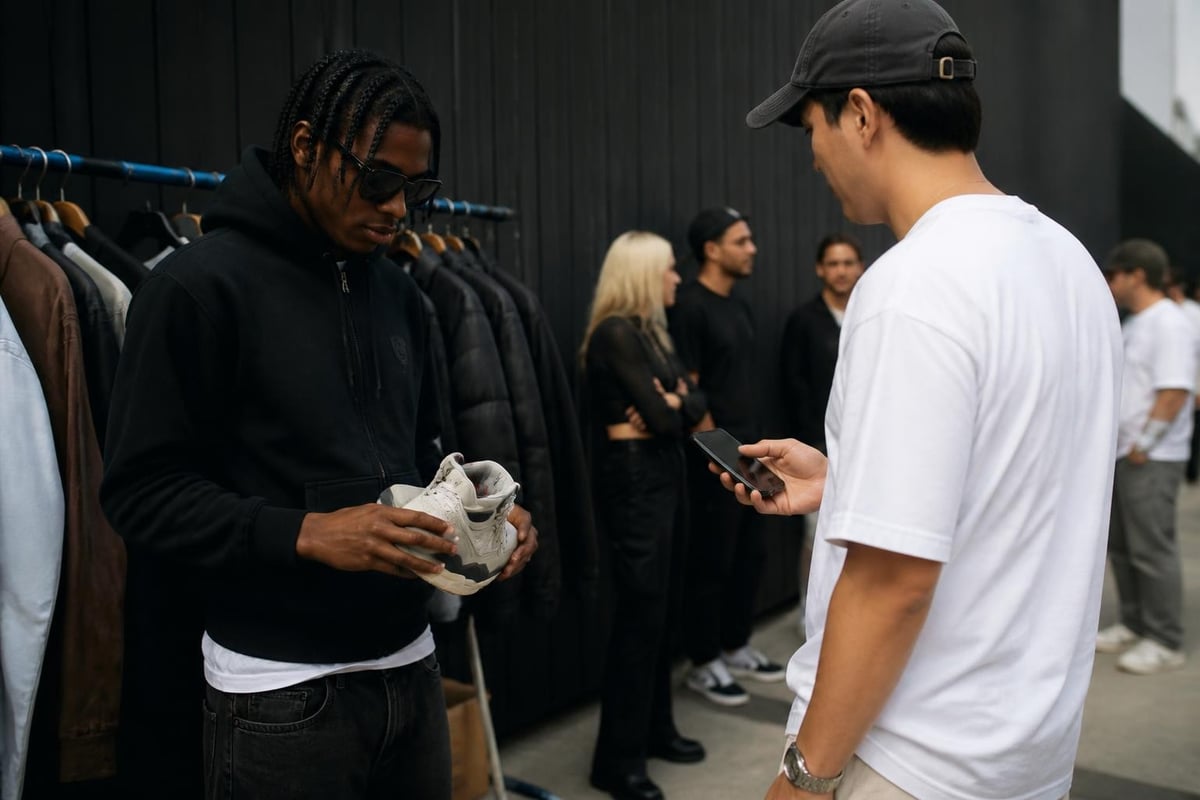
Understanding the aesthetic principles behind offwhite streetwear enables fashion enthusiasts to incorporate these elements into their personal style without relying solely on specific branded pieces. The approach emphasises layering, proportion play, and strategic statement pieces.
Building a Foundation Wardrobe
Start with essential pieces that embody streetwear's functional aesthetic. Quality basics provide the canvas for more expressive pieces:
- Oversized silhouettes in neutral tones create versatile foundations
- Statement outerwear serves as the focal point for simpler underneath layers
- Comfortable joggers balance proportions when paired with oversized tops
- Graphic tees introduce personality and cultural references
- Minimalist sneakers ground bold upper garments
BLNCE's collection of comfortable hoodies demonstrates how contemporary streetwear brands interpret these principles through everyday pieces that balance style with functionality.
The key to successful styling lies in understanding proportion and balance. When wearing oversized tops, consider how they interact with bottom pieces. The offwhite streetwear aesthetic often employs contrast-voluminous tops with tapered bottoms, or vice versa-creating visual interest through silhouette variation.
Layering Techniques and Seasonal Adaptability
Layering extends garment versatility while creating depth and dimension in outfits. This technique proves particularly valuable in Australian climates where temperature fluctuations demand adaptable styling approaches.
Consider these layering strategies:
- Base layer: Start with quality tees that work independently or under additional pieces
- Mid layer: Add hoodies or light jackets for temperature regulation
- Outer layer: Incorporate statement outerwear that defines the outfit's overall aesthetic
- Accessory integration: Use beanies, bags, or belts to complete the look
BLNCE's range of tees provides excellent base layers that transition seamlessly between solo wear and layered combinations, embodying streetwear's practical approach to style.
The Legacy Framework: How Offwhite Streetwear Shaped Current Trends
Looking at 2026's fashion landscape, the fingerprints of offwhite streetwear appear everywhere. Paris Fashion Week presentations continue exploring themes of strength and resistance that originated in this movement, while emerging designers build upon its foundational concepts.
The lasting impact manifests through several key trends:
Deconstructed minimalism has evolved from offwhite streetwear's approach to garment construction, with brands now exploring how removing traditional elements creates new aesthetic possibilities. This philosophy questions why clothing must follow established patterns.
Typography as design element transformed from novelty to standard practice, with brands incorporating text in increasingly sophisticated ways. The quotation mark technique pioneered by offwhite streetwear demonstrated how punctuation could become signature branding.
Collaborative culture has become industry standard rather than exception. The success of early collaborations proved that partnerships between seemingly disparate brands could create cultural moments that benefited all participants.
Educational Impact and Industry Accessibility
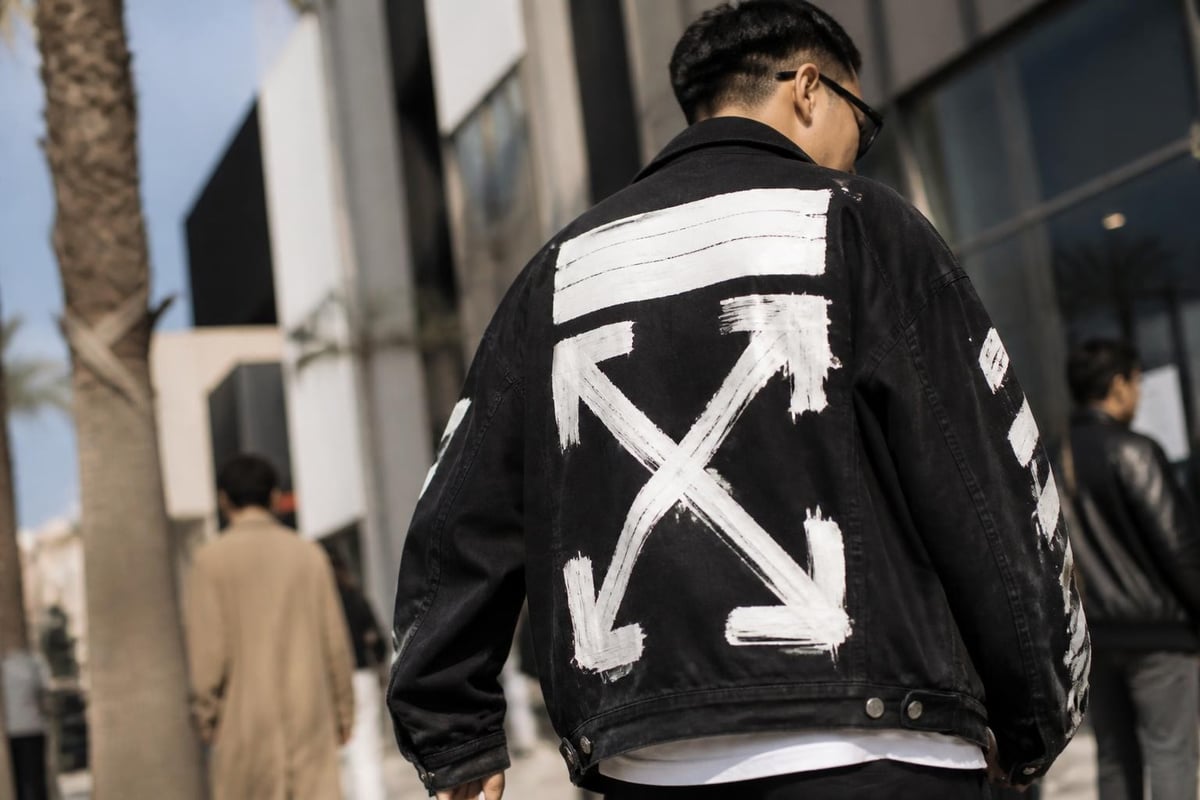
Perhaps the most profound legacy of offwhite streetwear lies in how it educated consumers about fashion's creative processes. By exposing the mechanisms of design through transparent communication and behind-the-scenes content, it demystified an industry that previously operated behind closed doors.
The Brooklyn Museum's 'Figures of Speech' exhibit showcased work spanning from high school to Louis Vuitton, illustrating how creative vision develops over time. This transparency inspired countless emerging designers to pursue fashion careers, knowing that unconventional backgrounds could lead to industry success.
Contemporary Applications for Independent Streetwear Brands
Independent brands operating in 2026 can extract valuable lessons from offwhite streetwear's trajectory without simply replicating its aesthetic. The movement's true value lies in its strategic approach to building cultural relevance.
Community Building Through Authentic Engagement
Offwhite streetwear succeeded by fostering genuine communities rather than just customer bases. This distinction matters enormously for emerging brands seeking to establish market presence.
Effective community building strategies include:
- Transparent communication about production processes and brand values
- Cultural participation in relevant conversations beyond product promotion
- Collaborative opportunities that involve community members in creative processes
- Educational content that shares knowledge rather than just selling products
- Consistent aesthetic vision that creates recognisable brand identity
Premium streetwear brands in 2026 understand that success requires more than quality products-it demands authentic cultural participation and community investment.
Balancing Accessibility and Exclusivity
One of offwhite streetwear's most interesting tensions involved maintaining exclusivity while championing accessibility. This paradox created enormous cultural energy but also presented challenges for sustainable brand growth.
Modern streetwear brands can navigate this tension by:
| Strategy | Accessibility Benefit | Exclusivity Benefit | Implementation Approach |
|---|---|---|---|
| Limited drops | Creates urgency | Maintains scarcity | Scheduled seasonal releases |
| Core collections | Ensures availability | Premium positioning | Year-round staple pieces |
| Collaborative pieces | Expands audience | Special edition appeal | Strategic partner selection |
| Price tiering | Entry-level options | Premium tier prestige | Multi-level product ranges |
BLNCE's most popular collection demonstrates how independent brands balance these considerations, offering accessible pieces that maintain quality and distinctive styling.
Material Innovation and Sustainable Evolution
While offwhite streetwear initially focused on aesthetic innovation, its legacy in 2026 includes pushing the industry toward material consciousness. The movement's emphasis on quality construction and garment longevity challenged fast fashion's disposable approach.
Contemporary streetwear consumers expect:
- Durable fabrics that withstand regular wear
- Ethical production practices that respect workers
- Environmental consideration in material sourcing
- Transparent supply chains that build consumer trust
- Timeless design that transcends seasonal trends
These expectations reflect how offwhite streetwear elevated consumer standards, creating demand for thoughtfully produced pieces rather than just trendy items.
The Australian Context for Streetwear Adoption
Australian streetwear culture has embraced offwhite streetwear's principles while adapting them to local climate and cultural contexts. The country's casual lifestyle naturally aligns with streetwear's comfortable, functional aesthetic.
BLNCE's shorts collection exemplifies how Australian brands interpret streetwear for warmer climates, maintaining the movement's design integrity while addressing practical wearing conditions.
Local brands benefit from Australia's position as both participant in global fashion conversations and distinct market with specific needs. This dual identity creates opportunities for innovation that honours international influences while serving domestic consumers.
Digital Culture and Content Strategy
The rise of offwhite streetwear coincided with social media's transformation of fashion marketing. The movement's visual distinctiveness made it exceptionally shareable, while its cultural commentary provided substance for meaningful digital conversations.
Pulitzer Prize winner Robin Givhan's insights into Virgil Abloh's rise reveal how strategic content creation and cultural positioning drove the movement's success beyond traditional advertising.
Modern streetwear brands must consider:
- Visual consistency across all platforms and touchpoints
- Narrative development that extends beyond product features
- Community engagement that fosters genuine dialogue
- Cultural commentary that positions the brand within larger conversations
- Educational content that adds value beyond sales objectives
These elements create brand ecosystems where customers become community members invested in the brand's success and evolution.
Cross-Cultural Impact and Global Resonance
Offwhite streetwear's influence extended globally because it spoke to universal themes-youth culture, creative expression, challenging establishment norms-while allowing for local interpretation. This flexibility enabled the movement to resonate across diverse markets and cultural contexts.
The global streetwear community in 2026 reflects this cross-pollination, with regional brands incorporating offwhite streetwear's principles while expressing local cultural identities. This evolution demonstrates how powerful design movements create frameworks for innovation rather than templates for replication.
Australian streetwear brands occupy a unique position in this global conversation, bridging Asian-Pacific influences with Western streetwear traditions while expressing distinctly Australian cultural perspectives. This synthesis creates opportunities for innovation that honours multiple influences.
The influence of offwhite streetwear continues shaping how we understand fashion's relationship with culture, accessibility, and creative expression in 2026. While specific trends evolve, the movement's core principles-questioning established norms, valuing cultural authenticity, and democratising fashion conversations-remain profoundly relevant. Whether you're exploring luxury urban clothes or building a versatile streetwear wardrobe, these principles guide thoughtful fashion choices. BLNCE Streetwear brings these values to everyday wear through comfortable, stylish pieces designed for real life, offering quality streetwear that balances fashion-forward design with practical functionality.