


Popular Streetwear Brands
Popular Streetwear Brands Streetwear has evolved from a subcultural movement rooted in skateboarding and hip-hop to become one of the most influential forces in contemporary fashion. The landscape of popular streetwear brands continues to shift dramatically in 2026, with established labels maintaining their dominance while emerging names challenge traditional hierarchies. Understanding which brands resonate with audiences today requires examining not just their products but their cultural significance, collaborative strategies, and ability to balance exclusivity with accessibility. Whether you're building a wardrobe or simply curious about the forces shaping modern fashion, knowing these brands provides essential insight into where style is heading.
The Heritage Icons That Define Streetwear Culture
The foundation of modern streetwear rests on labels that transformed casual clothing into coveted fashion statements. Supreme remains the quintessential example of this phenomenon, having evolved from a small skate shop in the 1990s to a multibillion-dollar global fashion icon. Their mastery of limited releases and unexpected collaborations created a blueprint that countless brands now follow.
Stüssy stands as one of the original popular streetwear brands, launching in the early 1980s and maintaining relevance through constant reinvention. Their signature scrawl logo appears across everything from graphic tees to outerwear, representing a bridge between surf culture and urban fashion. The brand's longevity demonstrates that authenticity and quality can sustain a label across multiple generations of consumers.
Japanese Streetwear's Global Influence
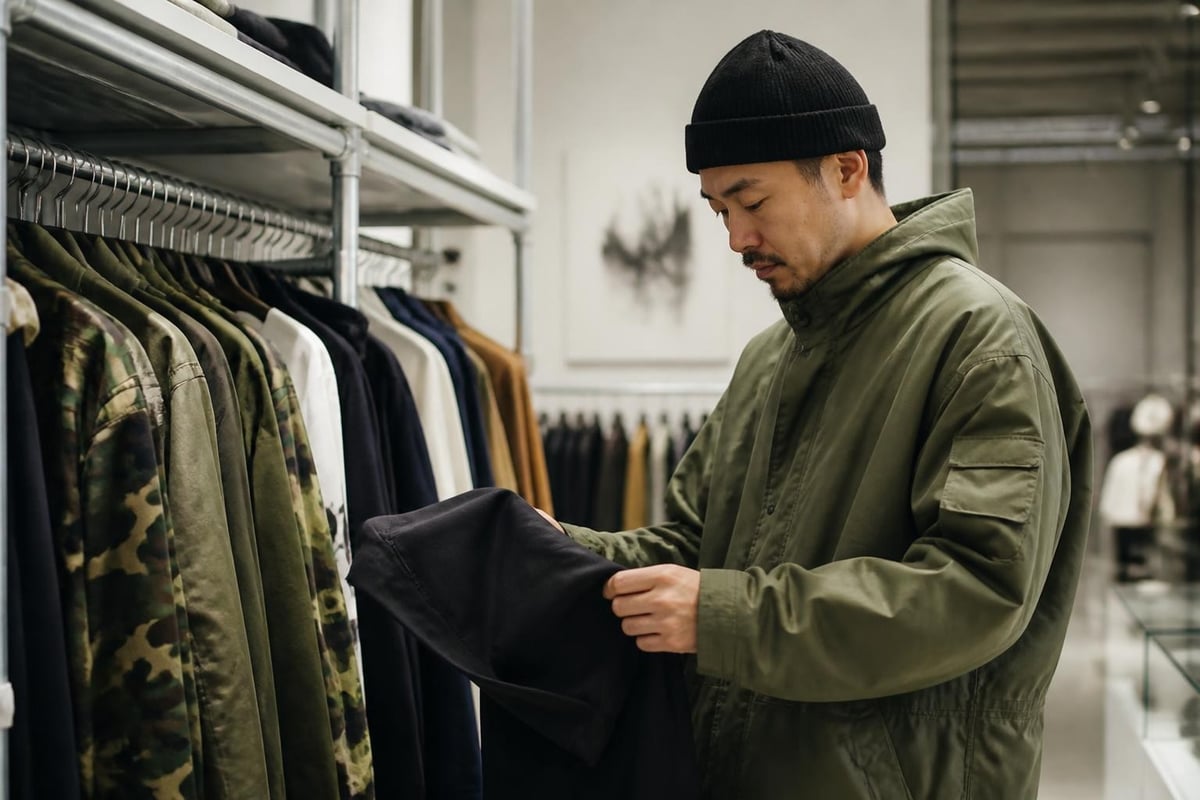
Japanese brands brought a unique perspective to streetwear by blending traditional craftsmanship with contemporary design. A Bathing Ape (BAPE) revolutionized the category with its camo patterns and shark hoodies, creating instantly recognizable pieces that command premium prices. The brand's collaborations with everyone from luxury fashion houses to toy companies showcased how streetwear could transcend traditional boundaries.
Neighborhood and WTAPS represent the grittier, military-inspired side of Japanese streetwear. These labels emphasize quality construction and subtle branding, appealing to enthusiasts who value craftsmanship over conspicuous logos. Their influence can be seen in countless brands that prioritize fabric weight, construction techniques, and attention to detail.
Athletic Brands Dominating the Streetwear Space
The line between sportswear and streetwear has become increasingly blurred, with athletic giants becoming some of the most popular streetwear brands through strategic collaborations and lifestyle-focused collections. Nike has mastered this transition, particularly through partnerships with designers like Virgil Abloh and Travis Scott. Their limited-release sneakers often generate more hype than traditional fashion drops, with resale markets proving the incredible demand.
Adidas has similarly positioned itself as a streetwear essential through collaborations with Yeezy, Palace, and various artists. The brand's willingness to experiment with silhouettes and materials while maintaining their heritage keeps them relevant across different streetwear communities. Their three-stripe logo has become as recognizable in urban fashion as any luxury brand's signature.
Key advantages of athletic brands in streetwear:
- Established manufacturing infrastructure for quality production
- Decades of brand recognition and cultural cachet
- Resources for high-profile collaborations and marketing campaigns
- Technical fabrics and performance features that enhance casual wear
- Global distribution networks that balance exclusivity with accessibility
Puma and Reebok have carved out their own niches by leaning into retro aesthetics and partnering with fashion-forward designers. These brands prove that even secondary players in athletic wear can become primary forces in streetwear through smart positioning and authentic partnerships.
Emerging Labels Reshaping the Landscape
While heritage brands maintain their positions, new labels are challenging conventions and bringing fresh perspectives to streetwear. These popular streetwear brands often start with limited releases and community-focused marketing, building dedicated followings before expanding production. Fashion brands poised to dominate in 2026 demonstrate this shift toward smaller, more agile operations.
Corteiz exemplifies the guerrilla marketing approach that has proven effective for new streetwear brands. Their enigmatic drops and community-first mentality create genuine excitement without relying on traditional advertising. This approach resonates particularly well with younger consumers who value authenticity and insider access over mass-market availability.
The Rise of Direct-to-Consumer Streetwear
Modern technology has enabled brands to bypass traditional retail channels and connect directly with customers. BLNCE Streetwear represents this new wave, offering comfortable and stylish streetwear that prioritizes quality and everyday functionality. By controlling their entire distribution chain, these brands can maintain competitive pricing while ensuring consistent quality standards.
| Brand Type | Distribution Model | Price Point | Target Audience |
|---|---|---|---|
| Heritage Labels | Multi-channel retail | Premium to luxury | Collectors and enthusiasts |
| Athletic Crossovers | Global retail + limited drops | Mid to premium | Broad streetwear audience |
| Direct-to-Consumer | Online-first | Accessible to mid | Style-conscious consumers |
| Boutique Brands | Select retailers + own stores | Premium | Fashion-forward early adopters |
The direct-to-consumer model allows brands to be more responsive to customer feedback and market trends. BLNCE's collection of tees demonstrates how brands can offer quality essentials without the markup associated with traditional retail distribution.
What Makes Streetwear Brands Successful
Success in streetwear requires more than creating appealing designs. The most popular streetwear brands share common characteristics that separate them from conventional fashion labels. Scarcity and exclusivity remain fundamental principles, with limited releases creating urgency and desire among consumers. This strategy works because it transforms clothing into collectibles, with pieces gaining value rather than depreciating after purchase.
Cultural authenticity cannot be manufactured or faked. Brands that genuinely connect with music, art, skateboarding, or other subcultures build deeper relationships with their audiences. This authenticity manifests in collaborations, sponsored athletes and artists, and community initiatives that extend beyond simple marketing.
Essential elements of streetwear brand success:
- Consistent visual identity that makes products instantly recognizable
- Quality construction that justifies premium pricing and builds reputation
- Strategic collaborations that introduce brands to new audiences
- Community engagement through events, social media, and insider access
- Balanced distribution maintaining exclusivity while reaching target markets
- Cultural relevance through alignment with music, sports, or art movements
The importance of quality heavyweight materials in streetwear cannot be overstated. Consumers increasingly recognize that premium fabrics and construction justify higher prices and create garments that last beyond a single season.
The Role of Collaborations in Brand Building
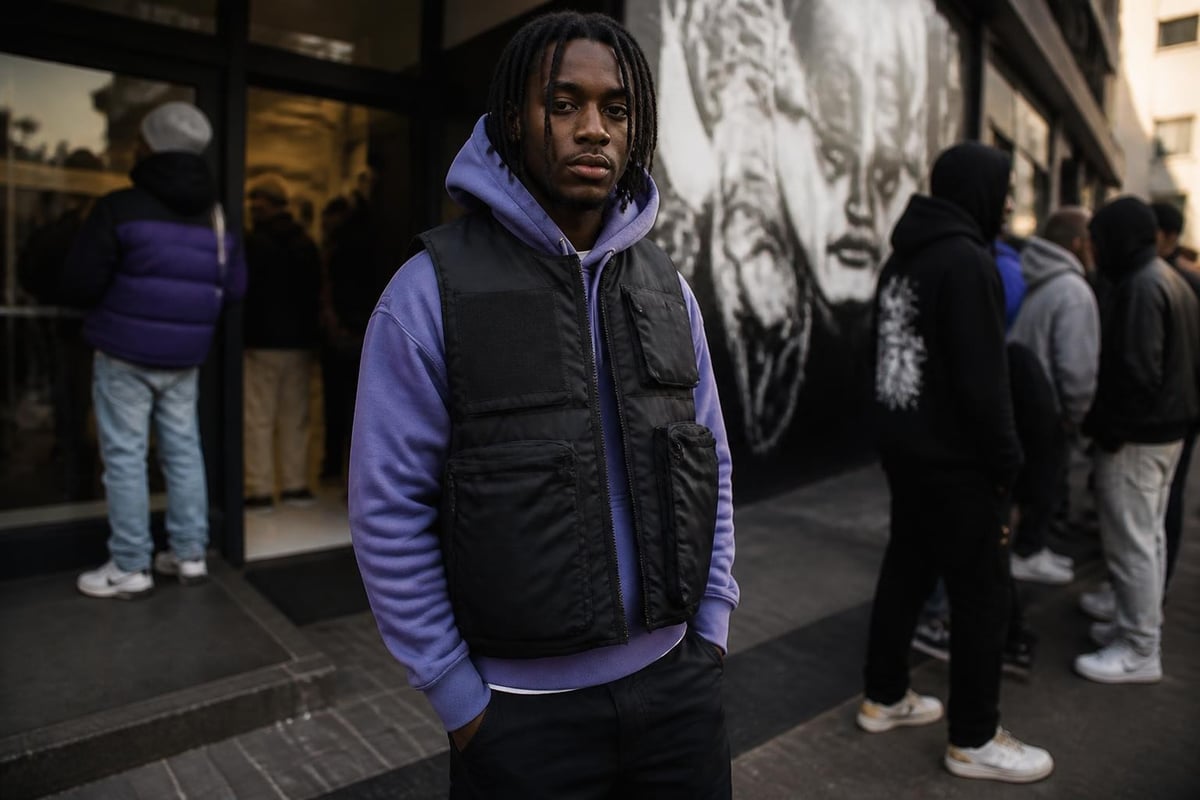
Collaborations have become the lifeblood of popular streetwear brands, creating buzz and introducing labels to new customer segments. These partnerships range from brand-to-brand collaborations to artist and designer tie-ups. Supreme's partnerships with luxury brands like Louis Vuitton and The North Face demonstrated that streetwear could command respect from high fashion while maintaining its underground credibility.
The most successful collaborations feel organic rather than purely commercial. When Travis Scott partners with Nike or Pharrell works with Adidas, these relationships reflect genuine long-term connections rather than transactional marketing campaigns. Consumers can sense authenticity, making partnerships rooted in real relationships more effective than one-off cash grabs.
Different Types of Streetwear Collaborations
| Collaboration Type | Example | Benefit | Risk |
|---|---|---|---|
| Brand × Brand | Supreme × Louis Vuitton | Legitimacy and crossover appeal | Alienating core audience |
| Brand × Artist | Yeezy × Adidas | Cultural credibility | Over-reliance on celebrity |
| Brand × Retailer | Palace × Dover Street Market | Distribution access | Limited exclusivity |
| Designer × Athletic | Virgil Abloh × Nike | Innovation and prestige | High production costs |
These partnerships create products that neither brand could produce independently, combining expertise, audiences, and cultural capital. For smaller brands, collaborations with established names provide credibility and visibility that would take years to build organically.
Regional Differences in Streetwear Preferences
Streetwear manifests differently across global markets, with regional preferences shaping which brands dominate specific areas. North American streetwear tends to emphasize bold graphics, oversized fits, and athletic influences. Brands like Supreme, Stüssy, and Kith thrive in this market by offering statement pieces that communicate identity clearly.
European streetwear often incorporates more minimalism and technical fabrication, with brands like Stone Island and C.P. Company leading through innovation in materials and construction. The European market shows particular appreciation for craftsmanship and subtle branding that signals quality without overt logos.
Research into global clothing styles and trends reveals how geographic and cultural factors influence fashion preferences, including streetwear consumption patterns. Understanding these regional differences helps brands tailor their offerings and marketing strategies to specific markets.
Asian markets, particularly in China, Japan, and South Korea, demonstrate strong appetite for both local and international popular streetwear brands. Japanese labels command respect globally, while Korean streetwear increasingly gains international recognition. Chinese consumers show particular interest in luxury streetwear collaborations and limited-edition releases.
The Intersection of Streetwear and Sustainability
Environmental consciousness is reshaping popular streetwear brands as consumers demand greater sustainability. Traditional streetwear's emphasis on constant newness and limited releases creates inherent sustainability challenges, but progressive brands are finding solutions. Patagonia's influence on outdoor and casual wear has pushed streetwear labels to consider environmental impact alongside style.
Sustainable practices in modern streetwear include:
- Using organic and recycled materials in production
- Implementing take-back and recycling programs
- Reducing packaging waste and using biodegradable materials
- Creating durable garments designed to last multiple seasons
- Transparent supply chain communication with consumers
- Limited production runs that minimize overstock waste
BLNCE Streetwear's focus on quality hoodies for everyday wear aligns with this sustainability trend. By creating durable pieces designed for regular use rather than disposable fashion, brands can reduce their environmental footprint while offering better value to customers.
The challenge lies in balancing sustainability with streetwear's culture of newness and exclusivity. Brands that successfully navigate this tension will likely define the next generation of popular streetwear brands, as younger consumers increasingly prioritize environmental responsibility alongside style.

Price Positioning Across Streetwear Segments
Popular streetwear brands occupy vastly different price points, from accessible daily wear to luxury collectibles. Understanding these segments helps consumers navigate the market and identify which brands align with their budgets and values. Entry-level streetwear typically ranges from thirty to eighty dollars per item, offering quality basics with contemporary styling.
Mid-tier brands occupy the eighty to two hundred dollar range, providing enhanced quality, limited releases, and stronger brand cachet. This segment includes many of the most popular streetwear brands among regular consumers who want quality without luxury prices. Premium streetwear options in this category balance accessibility with exclusivity.
Luxury streetwear commands prices exceeding two hundred dollars per item, justified by superior materials, craftsmanship, and brand prestige. Labels like Fear of God, Rhude, and high-end collaborations occupy this space, serving customers who view streetwear as investment pieces rather than disposable fashion.
Comparative price ranges for common items:
| Item Type | Entry Level | Mid-Tier | Luxury | Resale Premium |
|---|---|---|---|---|
| Graphic Tee | $30-$50 | $60-$120 | $150-$300 | 0-50% |
| Hoodie | $50-$80 | $120-$200 | $300-$600 | 20-200% |
| Joggers | $40-$70 | $100-$180 | $250-$500 | 0-100% |
| Outerwear | $100-$200 | $250-$500 | $800-$2000 | 50-300% |
The resale market significantly impacts pricing strategy for popular streetwear brands. Limited releases often sell for multiples of retail price on secondary markets, creating both opportunity and frustration for consumers. This dynamic has led some brands to implement lottery systems and verified purchase requirements to ensure products reach genuine customers rather than resellers.
Building Your Streetwear Wardrobe Strategically
Navigating the world of popular streetwear brands requires strategic thinking rather than impulsive purchases. Start with versatile foundations like quality tees, hoodies, and joggers that work across multiple outfits. BLNCE's shorts collection exemplifies how essential pieces can anchor a streetwear wardrobe while maintaining style and comfort.
Invest in timeless pieces from established brands rather than chasing every trend. A well-made hoodie from a respected label will remain wearable for years, while hyper-trendy items may feel dated within months. This approach also aligns with sustainability principles by reducing consumption and waste.
Mix price points intelligently by combining accessible basics with strategic investments in statement pieces. You don't need every item from luxury brands; instead, select key pieces that elevate your entire wardrobe. A premium jacket or sought-after sneaker can transform an outfit built on quality basics.
Steps for building a functional streetwear wardrobe:
- Establish a color palette that allows pieces to work together
- Invest in quality basics (tees, hoodies, joggers) as your foundation
- Add one or two statement pieces that reflect your personal style
- Select versatile outerwear that works across seasons
- Build a rotation of footwear that complements your clothing
- Accessorize thoughtfully with bags, hats, and jewelry
Understanding what makes the best oversized tees helps when selecting these foundational pieces. Quality fabrics, proper construction, and appropriate sizing ensure basics perform well and maintain their appearance over time.
The Future of Streetwear Brands
The trajectory of popular streetwear brands points toward increased personalization and technology integration. Digital fashion and NFTs represent experimental frontiers, though their long-term impact remains uncertain. More concretely, brands are leveraging data analytics to understand customer preferences and optimize production runs, reducing waste while meeting demand.
Community-driven design is gaining prominence, with brands involving customers in product development through polls, limited voting rights, and collaborative initiatives. This approach strengthens brand loyalty while ensuring products align with actual consumer desires rather than designer assumptions.
Emerging trends shaping streetwear's future:
- Increased emphasis on technical fabrics and performance features
- Greater representation and diversity in brand leadership and marketing
- Blockchain technology for authentication and ownership verification
- Augmented reality try-on experiences reducing return rates
- Local production reducing environmental impact and shipping times
- Subscription models providing regular releases to loyal customers
Research on diversity in advertising imagery highlights how popular streetwear brands are evolving their marketing to reflect broader audiences. Authentic representation matters increasingly to consumers, particularly younger demographics who prioritize inclusive brands.
The consolidation of brands under larger corporate umbrellas presents both opportunities and risks. Financial backing enables global expansion and production scale, but can compromise the authenticity and agility that made brands successful initially. The most resilient popular streetwear brands will balance growth with cultural integrity.
Evaluating Brand Authenticity and Value
With countless brands claiming streetwear credibility, consumers need frameworks for evaluating authenticity. Brand heritage provides one indicator, examining whether a label has genuine roots in skateboarding, hip-hop, or other streetwear foundations. However, heritage alone doesn't guarantee quality or relevance in 2026.
Community engagement reveals whether brands genuinely connect with their audiences or simply exploit streetwear aesthetics for profit. Authentic brands sponsor athletes, artists, and events, participate in cultural conversations, and maintain consistent values over time. Analyzing public sentiment towards brands on social media can provide insights into genuine popularity versus manufactured hype.
Material quality and construction serve as concrete measures of value. Popular streetwear brands should justify their pricing through superior fabrics, attention to detail, and durable construction. Examining similar items across price points helps identify whether premium pricing reflects actual quality or merely brand markup.
Questions to assess streetwear brand value:
- Does the brand have authentic connections to streetwear culture?
- Are materials and construction quality appropriate for the price?
- Does the brand engage genuinely with its community?
- Are sizing and fits consistent with advertised measurements?
- Does the brand stand behind products with reasonable return policies?
- Is the brand transparent about production and sourcing?
Understanding alternative high-street brands helps consumers discover emerging labels that offer quality and style at accessible prices. Not every wardrobe piece requires investment in established luxury brands; strategic mixing of established and emerging labels creates unique personal style.
The landscape of popular streetwear brands continues evolving, balancing heritage with innovation, exclusivity with accessibility, and profit with cultural authenticity. Understanding which brands resonate and why helps consumers make informed choices that align with their style, values, and budgets. If you're looking to build a versatile streetwear wardrobe with quality pieces designed for everyday wear, explore what BLNCE Streetwear offers through their range of comfortable hoodies, tees, shorts, and joggers that combine contemporary style with functional design.