


Table of Contents
- Why Buyers Are Searching for Better Australian Oversized Streetwear Brands
- What Separates Premium Oversized Streetwear From Fast Fashion
- Heavyweight Cotton Streetwear Australia: Why 300GSM+ Changes Everything
- Australian-Made Oversized Hoodies: What Local Production Actually Means
- Fit, Sizing and the Boxy Silhouette: Getting It Right Online
- Price, Value and Supply Chain Transparency: What You Are Paying For
- Frequently Asked Questions
Last Updated: September 13, 2026
Why Buyers Are Searching for Better Australian Oversized Streetwear Brands
The search for premium Australian streetwear brands has shifted. Buyers who once defaulted to the biggest names in the local scene are now comparing fabric weight, construction and where a garment is actually made. This guide from BLNCE Streetwear examines what separates a genuinely premium oversized streetwear piece from a fast-fashion imitation, and why heavyweight cotton streetwear Australia wide is having a moment.
The short answer: yes, there are better options, and the difference comes down to measurable specifications. Below, we break down GSM, construction, fit and supply chain transparency so you can judge any brand on evidence rather than hype.
What Separates Premium Oversized Streetwear From Fast Fashion
Premium oversized streetwear is defined by fabric weight, construction quality and manufacturing transparency, not by logo placement. Fast fashion prioritises speed and low cost; premium producers prioritise how a garment performs after fifty washes. The difference is measurable, and once you know which numbers to read, you can judge any brand on evidence rather than hype.
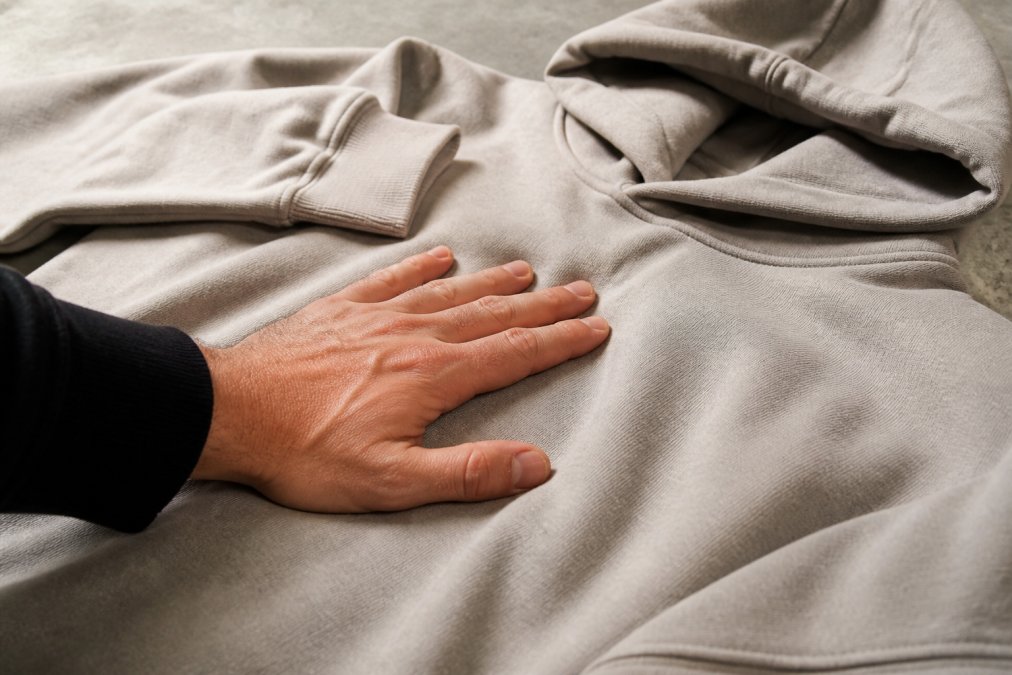
Fabric Weight and GSM: The Numbers That Matter
GSM, or grams per square metre, measures fabric density, how much cotton is packed into a given area. It is the single most useful number for comparing premium claims, because it is objective and it drives almost everything else about how a garment behaves.
| Fabric Band | GSM Range | Typical Use | What It Feels Like |
|---|---|---|---|
| Lightweight | 140-180GSM | Fast-fashion tees, promotional shirts | Thin, semi-transparent, collapses quickly |
| Midweight | 180-240GSM | Standard retail tees, some hoodie bodies | Softer drape, moderate structure |
| Heavyweight | 240-300GSM | Premium streetwear tees | Noticeable body, holds a boxy line |
| True Heavyweight | 300GSM+ | Premium oversized tees and hoodies | Dense, structured, luxury hand-feel |
Two mechanisms explain why the jump from 180GSM to 300GSM+ matters so much. First, density: more cotton per square metre means less light passes through, so the fabric resists transparency even in lighter colourways. Second, structure: a heavier knit holds its shape under its own weight, which is what produces the boxy silhouette instead of a garment that clings and sags.
GSM is not the whole story. Yarn count and knit structure matter too. A 300GSM fabric knitted from finer, longer-staple yarns will feel smoother and resist pilling better than a 300GSM fabric made from short, coarse fibres. Loop-back (French terry) construction, where the inside of the fabric has visible loops rather than a brushed fleece, is common in premium hoodies because it adds warmth without bulk and washes more predictably. When a brand quotes GSM but not yarn or knit, treat the number as a starting point, not a verdict.
Garment Construction and Post-Wash Performance
Construction decides longevity. Look for a ribbed collar that keeps its shape, twin-needle stitching at stress points, taped shoulder seams and pre-shrunk fabric. A common mistake is judging a garment in-store only; the real test is post-wash performance, where cheap cotton pills, twists and sags while quality knitwear returns to form.
Most buyers never see this data before purchase, so here is a practical framework you can apply to any brand, including by asking the brand directly.
| Test | What to Look For | Why It Matters |
|---|---|---|
| Shrinkage after 5 washes | Under 3% on body length and chest | Above 5% and the oversized fit is gone |
| Collar shape after 10 washes | Ribbing still upright, no wave | A collapsed collar makes any tee look cheap |
| Print integrity after 20 washes | No cracking, peeling or fading | Screen prints on low-GSM fabric crack first |
| Pilling at underarm and hem | Minimal surface fuzz | Short-staple yarns pill fastest |
| Seam integrity | No puckering or pulled stitches | Twin-needle seams hold; single-needle fails |
| Colour retention | No grey cast on blacks | Poor dye fixation shows within 10 washes |
A common pattern among premium producers is to pre-shrink fabric before cutting, which is why a 300GSM+ tee can be washed hot without losing its length. Fast fashion often skips this step because it adds cost and time. If a brand cannot tell you whether its fabric is pre-shrunk, assume it is not.
The practical takeaway: ask for GSM, ask whether the fabric is pre-shrunk, and ask how the collar is constructed. Those three answers separate a garment that survives years from one that looks tired by the second season.
Heavyweight Cotton Streetwear Australia: Why 300GSM+ Changes Everything
Heavyweight cotton streetwear Australia buyers increasingly seek out is built on one number: 300GSM or higher. At that weight, cotton behaves differently. It resists the thinning and bagginess that plague lighter fabrics, and the structured, luxury feel is immediately obvious when you pick it up.
For everyday wear, that weight translates into a garment that keeps its shape through repeated washing and wear. BLNCE Streetwear builds its range around 300GSM+ cotton for exactly this reason, from the BLNCE Legacy Oversized Tee to the Street Coded Lux Hoodie.


Australian-Made Oversized Hoodies: What Local Production Actually Means
Australian-made oversized hoodies carry a different production story to imported fast fashion. Local manufacturing typically means shorter supply chains, closer quality control and the ability to trace where a garment was cut and sewn.
That transparency matters to buyers who want proof, not marketing. When a brand claims local production, ask for specifics: which facility, what certifications, and how the supply chain is verified. The Australian Competition and Consumer Commission) sets out what businesses can and cannot claim about where a product is made, so origin statements are legally enforceable rather than decorative.
Fit, Sizing and the Boxy Silhouette: Getting It Right Online
The boxy silhouette is the defining feature of modern oversized streetwear: dropped shoulders, a wider body and a shorter-to-standard length that sits cleanly rather than swamping the frame. Getting the fit profile right online comes down to measuring a garment you already own and comparing it to the brand's size chart, not guessing from your usual size.
| Fit Element | Standard Fit | Oversized Fit | What to Check |
|---|---|---|---|
| Shoulder seam | Sits on shoulder | Dropped shoulder | Shoulder width in cm |
| Body width | Close to torso | Boxy, roomy | Chest measurement |
| Length | Standard | Slightly longer | Body length in cm |
| Sleeve | Fitted | Relaxed | Sleeve length |
Price, Value and Supply Chain Transparency: What You Are Paying For
A higher price on premium oversized streetwear buys heavier fabric, better construction and longer garment longevity. A $70 tee made from 300GSM+ cotton that survives years of washing costs less per wear than a cheap tee replaced every season. But price alone proves nothing, the real question is what the price is paying for, and whether the brand can show you.
Supply chain transparency is where premium brands separate themselves, and it is also where the language gets slippery. "Designed in Australia" and "made in Australia" are not the same claim, and the gap between them is where most buyer confusion lives.
| Claim | What It Usually Means | What to Verify |
|---|---|---|
| Designed in Australia | Concept, patterns and branding are local; manufacturing may be offshore | Ask which country cut and sewed the garment |
| Made in Australia | Cut and sewn locally, but fabric may still be imported | Ask where the fabric was knitted |
| Australian-made | A regulated origin claim with a defined threshold | Ask for the substantiation the brand relies on |
| Ethically made | A broad term with no single legal definition | Ask which standard or audit the factory holds |
The Australian Competition and Consumer Commission) sets out what businesses can and cannot claim about where a product is made, so origin statements are legally enforceable rather than decorative. That matters because a brand cannot simply print "Australian-made" on a label without being able to substantiate it. If a brand is vague about origin, that vagueness is itself information.
For ethical production, the Australian Fashion Council) and the Textile, Clothing and Footwear Union both publish guidance buyers can reference. The useful move is to ask a brand three specific questions: which facility cut and sewed the garment, which country the fabric was knitted in, and what audit or certification the facility holds. Brands with real transparency answer these quickly. Brands without it pivot to brand story.
BLNCE Streetwear keeps its range tight and transparent: 300GSM+ cotton, made locally, with free shipping on orders over $100. The Varsity Core Oversized Tee and BLNCE Worldwide Graffiti Tee are both $70, while the BB BLNCE Legacy Hoodie sits at $90.

| Consideration | Fast Fashion | Premium Oversized Streetwear |
|---|---|---|
| Fabric weight | 140-180GSM | 300GSM+ |
| Construction | Single-stitch, glued seams | Twin-needle, ribbed collar |
| Origin | Untraceable | Traceable, often local |
| Lifespan | One to two seasons | Multiple years |
| Cost per wear | High | Low |
| Supply chain answers | Vague or absent | Named facility and mill |
Frequently Asked Questions
Are there Australian-made alternatives to popular streetwear labels?
Yes. Several local labels now produce premium oversized streetwear entirely onshore, using heavyweight 300GSM+ cotton and ethical manufacturing practices. These brands focus on garment longevity rather than drop culture hype, meaning you get box fit tees and hoodies that hold their shape after repeated washes. Look for brands that publish their fabric weight, construction details and supply chain information openly, since that transparency is the clearest signal of genuine local production and quality control.
Why is 300GSM+ cotton preferred for oversized streetwear?
GSM stands for grams per square metre, and it measures fabric density. At 300GSM and above, cotton has enough weight to drape properly, hold a structured box fit and resist the thinning and pilling that plagues lighter fast fashion pieces. Heavier cotton also survives more wash cycles without losing shape, which matters for oversized hoodies and tees you wear weekly. Anything under 250GSM tends to go limp and baggy within a few months, especially after machine washing.
How do I identify high-quality streetwear that holds its shape?
Check three things: fabric weight (300GSM or higher), construction details like ribbed collars and dropped shoulder seams, and post-wash reviews from real customers. A heavyweight cotton tee with a ribbed collar will keep its neckline intact, while a box fit cut with dropped shoulders maintains the oversized silhouette without looking sloppy. Ask whether the brand publishes GSM specs and whether they offer returns if the fit is wrong. That combination signals a label confident in its garment longevity.
What should I look for when buying oversized hoodies and tees online?
Start with the fit profile: oversized should mean a deliberate box fit with dropped shoulders, not just a size up. Check the GSM, since 300GSM+ heavyweight cotton streetwear Australia buyers favour will hold structure better than lighter alternatives. Review the size chart carefully, as oversized cuts often run differently from standard sizing. Finally, confirm the return policy and shipping thresholds, since free shipping over $100 makes trying a new local label lower risk.
The challenge with oversized streetwear is that the market is flooded with garments that look premium in photos but fail after a few washes. Judging on GSM, construction and supply chain transparency is how you avoid that trap. BLNCE Streetwear addresses it directly with 300GSM+ cotton, Australian-made construction and a structured feel that holds its shape, plus free shipping on orders over $100. Shop the BLNCE Streetwear collection and invest in pieces built to last.