


Table of Contents
- What Defines a Premium Streetwear Brand in Australia?
- The Standard: Heavyweight Cotton Streetwear Australia Is Getting Right
- Best Australian Made Hoodies: Where Craft Meets Comfort
- How to Style Oversized Streetwear Without Looking Sloppy
- The Resale Factor: Circular Economy and Long-Term Value
- Made Locally vs. Offshore: What the Label Actually Tells You
- Conclusion: Build a Wardrobe That Outlasts Trends
- Frequently Asked Questions
Last Updated: September 4, 2026
The Australian streetwear scene has moved well past printed tees and hype-driven drops. What separates the best premium streetwear brands in Australia from the pack is a commitment to fabric weight, ethical production, and silhouettes that hold their shape after a year of wear. This guide from BLNCE Streetwear breaks down what makes a brand worth the investment, how to style oversized pieces without looking sloppy, and why the resale market is changing how people buy.
TL;DR:
- Premium streetwear is defined by fabric weight (300GSM+), not logos
- Australian-made labels offer quality control and ethical production you can verify
- Oversized fits work for every body type when you balance proportions correctly
- Heavyweight cotton holds its shape, resists pilling, and retains resale value
- Local manufacturing means you pay for garment craftsmanship, not shipping and middlemen
What Defines a Premium Streetwear Brand in Australia?
Premium streetwear is apparel built around heavyweight fabrics, precise cuts, and considered design rather than disposable trends, a deliberate rejection of fast fashion, crafted to survive repeated washing and maintain structure.
Local labels compete with international heavyweights by focusing on fabric sourcing, ethical manufacturing, and fits tuned for real bodies rather than runway extremes.
Several markers separate premium pieces from their fast-fashion counterparts:
- Fabric weight: Premium tees and hoodies typically start at 300GSM (grams per square metre). Anything below 200GSM risks transparency and early wear.
- Construction details: Reinforced collars, flatlocked seams, and ribbed cuffs that don't stretch out.
- Design restraint: Clean lines and considered branding over loud graphics.
- Transparent sourcing: Clear information about where and how garments are made.
The Standard: Heavyweight Cotton Streetwear Australia Is Getting Right
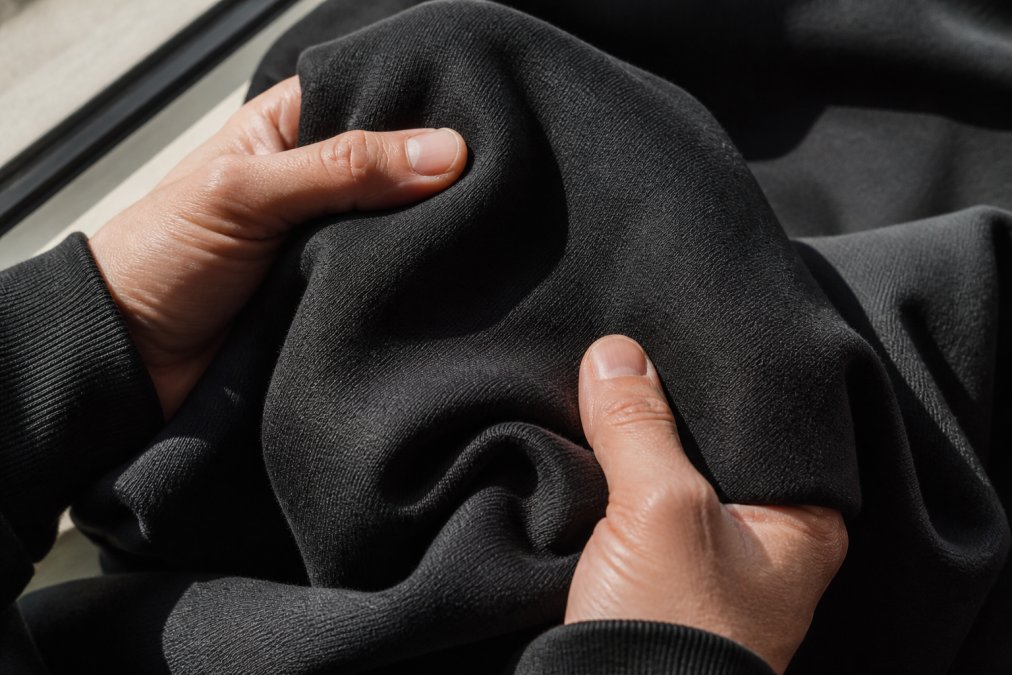
Heavyweight cotton streetwear in Australia has become the benchmark for quality. The dense knit of 300GSM+ fabric drapes differently, feels substantial against the skin, and refuses to go see-through or baggy the way lightweight blends do.
Why 300GSM+ Cotton Changes the Game
Fabric weight directly influences how a garment performs across its lifespan:
- Structure: Heavier cotton holds an oversized silhouette without collapsing into a shapeless pile.
- Durability: Dense weaves resist pilling, thinning, and the dreaded "fabric fatigue" that ruins cheaper pieces after a few washes.
- Comfort: Quality heavyweight cotton breathes better than synthetic blends, making it suitable for both casual wear and workouts.
Cold washes and line drying preserve the fibres far longer than hot cycles and tumble dryers. Treating a 300GSM piece with basic care extends its life considerably.
Best Australian Made Hoodies: Where Craft Meets Comfort
A great hoodie is the backbone of any streetwear wardrobe. The best Australian made hoodies combine heavyweight fleece, precise stitching, and a fit that works across casual and elevated outfits. What separates a genuinely premium local hoodie from an imported one isn't just the label, it's the entire production chain.

The Local Manufacturing Advantage: A Closer Look
When a hoodie is cut and sewn locally, the brand maintains direct oversight of every step, tighter quality control on seam alignment, consistent dye lots, and the ability to reject flawed batches. Local production also shortens the supply chain dramatically, reducing both carbon footprint and delay risk. For the buyer, local brands can refine fits within a single season, Australian workplace and environmental laws apply to every stage, and many local mills can document cotton origin, something offshore factories rarely offer.
What to Look For in a Premium Hoodie
Beyond the 'Made in Australia' tag, discerning buyers should examine three specific elements that separate a premium hoodie from others:
- Fleece weight and composition: Premium hoodies typically use 400GSM+ fleece with a high cotton percentage (80% or more). A cotton-polyester blend in the 20% range adds durability without sacrificing breathability.
- Ribbing quality: The cuffs and hem should use a dense, elastane-reinforced rib that snaps back after stretching. Cheap ribbing goes baggy within months.
- Interior finish: Turn the hoodie inside out. Look for flatlocked or overlocked seams that lie flat against the skin, and check that the hood is double-lined, a single-layer hood loses its shape quickly.
The Emerging Local Labels Worth Watching
While established names dominate, smaller Australian studios are pushing the category forward. These brands produce in smaller runs, fewer discounts, but fewer compromises on fabric quality.
The Price-to-Value Equation
A locally made hoodie at $90 might seem steep next to a $40 import, but the economics favour quality over time. Consider the cost-per-wear: a $90 hoodie worn twice a week for two years costs roughly $0.43 per wear. A $40 hoodie that pills, fades, and loses its shape after six months costs $0.77 per wear, before factoring in the environmental cost of replacing it twice as often. Local manufacturing also means fewer middlemen, you're paying for the garment itself, not international shipping, import duties, or retail markups.
How to Style Oversized Streetwear Without Looking Sloppy
Oversized streetwear styling comes down to one principle: balance. Pair a boxy, dropped-shoulder tee with tapered or straight-leg bottoms to anchor the look. Oversized on oversized creates a tent effect that reads as unintentional.
Start with one oversized piece per outfit and build around it.
Dressing for Your Body Type
Oversized fits work for every body type when you respect proportions:
- Shorter frames: Choose cropped or mid-length oversized pieces that end around the hip. Pair with straight-leg pants to create vertical line.
- Taller frames: Full oversized silhouettes suit you well. Layer an oversized hoodie under a longer coat for depth.
- Broader shoulders: Avoid excessive shoulder padding. A dropped shoulder on a heavyweight tee actually flatters this frame by softening the line.
- Athletic builds: Heavyweight fabrics are your friend. They skim the body without clinging, showing shape without being tight.
The Resale Factor: Circular Economy and Long-Term Value
Premium streetwear holds value in ways fast fashion never will. The circular economy for clothing has grown substantially, with resale platforms gaining mainstream traction. A well-maintained 300GSM hoodie from a respected brand can retain a meaningful portion of its original price on the secondary market.

A $90 hoodie that resells for $50 after two years of wear costs less per wear than a $40 hoodie that ends up in landfill after six months.
The factors that drive resale value are the same ones that define quality:
- Brand reputation for consistent quality
- Fabric weight and condition after washing
- Limited or signature colourways
- Garment condition, including collar shape and print integrity
Made Locally vs. Offshore: What the Label Actually Tells You
"Made in Australia" is more than a marketing line; it carries real implications for quality, ethics, and accountability. But the label alone doesn't tell the whole story, knowing how to read it is the difference between an informed purchase and a marketing gimmick.
How 'Made in Australia' Is Regulated
Under Australian Consumer Law, the 'Made in Australia' claim is governed by strict criteria. For a product to carry this label, it must have undergone its last substantial transformation in Australia, and at least 50% of the cost of producing the goods must be incurred locally. This is a legally enforceable standard enforced by the Australian Competition and Consumer Commission (ACCC).
However, there's a critical nuance: a garment can be 'Made in Australia' while its fabric is woven in China or its buttons sourced from Japan. The label refers to the final assembly, not necessarily the entire supply chain. A brand that openly discusses its fabric mills and component suppliers is far more credible than one that simply stamps a flag on its tag.
The Verification Checklist
When a brand claims local manufacturing, ask these five questions:
- Where is the factory? A specific suburb or industrial area is a good sign. Vague references to 'Australia' without detail warrant scepticism.
- Can you visit? Many local brands offer studio tours or factory visits. If they're proud of their production, they'll welcome the scrutiny.
- Who cuts and sews? Some brands outsource cutting to one facility and sewing to another. That's fine, but they should be able to name both.
- Where does the fabric come from? Local assembly with imported fabric is common. The question is whether the brand knows its fabric origin and can articulate why it chose that source.
- What happens to offcuts? A genuine commitment to sustainability includes waste management. Brands that recycle or repurpose fabric waste demonstrate a deeper operational ethic.
The Hidden Costs of Offshore Production
Offshore production can offer lower prices, but the trade-offs are significant. Beyond shipping emissions and less oversight of working conditions, there's a subtler problem: garments designed to a price point rather than a quality standard. When a factory's margin depends on shaving cents off each unit, the first casualties are fabric weight, seam reinforcement, and dye quality, the exact elements that define premium streetwear. There's also the question of intellectual property: offshore factories sometimes produce unauthorised 'extra runs' of popular designs, which appear on discount marketplaces at a fraction of the retail price.
What the Label Tells You, and What It Doesn't
- Provenance: Where the garment was cut and sewn
- Accountability: Which regulations and standards apply to production
- Quality control: How closely the brand monitors its supply chain
What it doesn't tell you: the working conditions of the fabric mill, the environmental impact of dyeing processes, or whether the brand's 'ethical' claims extend beyond its own factory floor. For that level of detail, you need to look at third-party certifications or the brand's own sustainability reports.
Australian Fashion Council's sustainability and local manufacturing guidance highlights the growing consumer demand for transparency in apparel sourcing. Buyers increasingly want to know who made their clothes and under what conditions.
The Rise of 'Hybrid' Production
A growing number of Australian streetwear labels are adopting a hybrid model: designing locally, producing core staples domestically, and using offshore partners only for specialised items requiring machinery not readily available in Australia. This balances cost with quality control but demands greater transparency about which pieces are made where.
For the consumer, the lesson is simple: don't assume a brand is entirely local or entirely offshore. Read the product page carefully, look for factory details, and when in doubt, email the brand directly. A premium brand will answer, that willingness to engage is itself a quality signal.
Conclusion: Build a Wardrobe That Outlasts Trends
The best premium streetwear brands in Australia share a common philosophy: quality over quantity, substance over hype. Investing in heavyweight, ethically produced pieces means fewer purchases, better wear, and a wardrobe that stays relevant beyond any single season.
At BLNCE Streetwear, we build exactly that. Our oversized tees starting at $70 and heavyweight hoodies at $90 are crafted from 300GSM+ cotton, made in Australia, and designed to hold their shape through years of wear. Free shipping applies across Australia on orders over $100.
Get started with BLNCE Streetwear and build a wardrobe built on garment craftsmanship, not passing trends.
| Wardrobe Essential | Price | Fabric Weight | Best Paired With | Expected Lifespan |
|---|---|---|---|---|
| Legacy Oversized Tee | $70 | 300GSM+ | Joggers, straight-leg denim | 2+ years with proper care |
| Legacy Hoodie (Onyx Black) | $90 | 300GSM+ | Cargos, track pants, layered coats | 3+ years with proper care |
| Core Heavyweight Joggers | $70 | Heavyweight | Oversized tees, hoodies | 2+ years with proper care |
| Legacy Straight Leg Tracks | $70 | Heavyweight | Sneakers, simple tees | 2+ years with proper care |
Textile Exchange's material sustainability insights reports that extending a garment's life by just nine months can reduce its environmental footprint significantly, reinforcing the value of buying quality the first time. Clean Up Australia's fashion waste research similarly points to textile waste as a growing concern, making durable, locally made pieces a more responsible choice for style-conscious consumers.

Frequently Asked Questions
What defines a premium streetwear brand in Australia?
A premium streetwear brand in Australia is defined by fabric quality, construction, and ethical production rather than just a logo. Look for heavyweight cotton at 300GSM or higher, reinforced stitching, and structured fits that hold their shape. Premium labels also prioritise ethical manufacturing, often producing locally or in certified facilities. The result is apparel that lasts years, not seasons, which separates it from fast fashion.
How do I identify high-quality streetwear versus fast fashion?
Check the fabric weight first. Fast fashion tees typically sit around 150-180GSM and feel thin. Quality heavyweight streetwear starts at 300GSM and feels dense and structured. Look at the stitching: double-needled hems and reinforced collars signal durability. Also examine the fit after a wash. Premium cotton is pre-shrunk and treated to resist pilling, so the garment keeps its shape. If you can, check where it was manufactured and what materials are listed.
Are there Australian-made premium streetwear labels?
Yes, a growing number of premium streetwear labels manufacture locally in Australia. These brands focus on heavyweight cotton, ethical manufacturing, and limited production runs. Choosing Australian-made reduces shipping emissions and supports local manufacturing jobs. It also makes quality control easier, since brands can monitor production directly. Look for transparent brands that state their manufacturing location and fabric sourcing clearly on their websites.
What is the difference between oversized fit and just buying a bigger size?
Oversized fit is a deliberate design choice, not a sizing upgrade. True oversized garments feature dropped shoulders, a boxy body, and shorter or cropped length to create a structured, intentional silhouette. Buying a larger size simply scales up every dimension, which can look shapeless. When you choose oversized streetwear, check the garment measurements and compare them to your regular size. A quality brand will provide a size guide that explains how their oversized pieces are meant to sit.
This article was written using GrandRanker