


Underground Clothing BrandsThe streetwear landscape in 2026 has evolved beyond recognizable logos and hyped releases. While mainstream brands dominate shopping centres and social media feeds, a thriving ecosystem of underground clothing brands operates beneath the surface, creating garments that challenge conventions and redefine what it means to dress with purpose. These independent labels represent more than just alternative fashion choices-they embody authenticity, craftsmanship, and a commitment to community that larger corporations struggle to replicate.
What Defines Underground Clothing Brands
Underground clothing brands occupy a distinctive space in the fashion industry, characterised by their independence from major conglomerates and their rejection of mass-market appeal. These labels typically operate on smaller production runs, prioritise quality over quantity, and maintain direct relationships with their customer base. Their underground status isn't merely about size or obscurity-it's a deliberate positioning that values creative freedom and authentic expression over commercial success.
The defining characteristics extend beyond business structure. These brands often emerge from subcultures, whether skateboarding, graffiti art, music scenes, or streetwear communities. They draw inspiration from grassroots movements rather than runway trends, creating pieces that resonate with specific audiences who value individuality. Limited distribution channels, direct-to-consumer models, and collaborative design processes separate them from conventional fashion labels.
Many underground clothing brands maintain their ethos by controlling every aspect of production, from initial sketches to final packaging. This hands-on approach ensures consistency in vision and quality, even as brands grow. The commitment to staying true to original values, regardless of market pressures, distinguishes genuine underground labels from those simply marketing themselves as alternative.
The Appeal of Independent Labels
Consumers increasingly gravitate toward underground clothing brands because they offer something mainstream fashion cannot: genuine connection and exclusivity rooted in shared values rather than artificial scarcity. When you wear pieces from independent labels, you're supporting artists and entrepreneurs who pour their vision into every design decision. This creates a sense of participation in something meaningful, transforming clothing from mere consumption into cultural engagement.
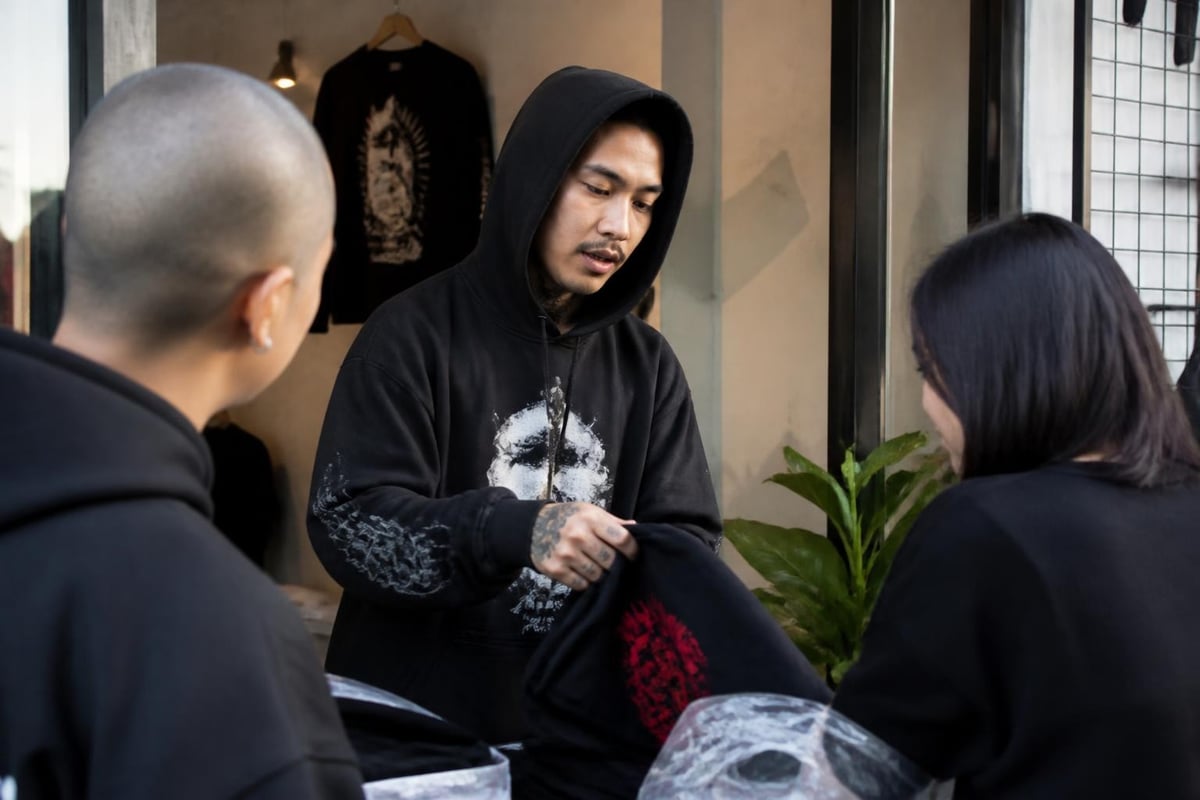
The quality proposition also drives appeal. Without the pressure to maximise profit margins across thousands of retail locations, underground brands can invest in premium materials, superior construction techniques, and thoughtful design details. Garments are created to last, not to be replaced seasonally. This aligns perfectly with the values of consumers who reject fast fashion's environmental and ethical compromises.
Finding Quality Underground Streetwear
Discovering authentic underground clothing brands requires moving beyond conventional shopping habits. These labels rarely occupy prime retail space or run extensive advertising campaigns. Instead, they thrive in curated boutiques, pop-up shops, and online platforms that cater to fashion-forward communities. Social media plays a crucial role, particularly Instagram and TikTok, where brands showcase their latest drops and connect directly with followers.
| Discovery Method | Advantages | Considerations |
|---|---|---|
| Curated Boutiques | Vetted selection, expert advice | Limited geographic access |
| Online Marketplaces | Wide variety, convenient browsing | Authentication concerns |
| Social Media | Direct brand access, community insights | Algorithm-dependent visibility |
| Word of Mouth | Trusted recommendations | Slower discovery process |
Dedicated fashion enthusiasts often explore lesser-known labels that define street and alternative style through specialized online communities and forums. These spaces provide genuine reviews, styling inspiration, and early information about upcoming releases. Building relationships within these communities opens doors to exclusive drops and collaborative opportunities that casual shoppers never encounter.
The key to finding quality lies in research and patience. Examine brand histories, understand their design philosophies, and assess the craftsmanship evident in product photography. Read customer reviews, but prioritise detailed feedback over star ratings. Many underground clothing brands maintain transparent production processes, sharing behind-the-scenes content that reveals their commitment to quality and ethical manufacturing.
Evaluating Underground Brand Authenticity
Not every brand claiming underground status deserves that designation. Some larger companies create subsidiary labels designed to appear independent while benefiting from corporate resources. Others appropriate underground aesthetics without embracing the underlying values. Authentic underground clothing brands demonstrate consistency between their messaging and their practices.
Genuine independent labels typically showcase:
- Transparent ownership structures and brand stories
- Consistent design languages that evolve without chasing trends
- Engaged founder involvement in day-to-day operations
- Community-focused initiatives beyond pure marketing
- Sustainable production practices aligned with stated values
When evaluating a potential brand, investigate their supply chain, manufacturing locations, and labour practices. Authentic underground labels proudly share this information, recognising that their customers care about more than aesthetics. They understand that buying decisions reflect personal values, and they respect that relationship by maintaining integrity throughout their operations.
The Business Model Behind Underground Success
Underground clothing brands operate under fundamentally different economic models than mainstream fashion houses. Without access to venture capital or corporate backing, they bootstrap their growth through strategic reinvestment and community support. This financial constraint actually becomes an advantage, forcing creative problem-solving and maintaining close connections to customer needs.
Most successful independent labels follow a direct-to-consumer approach, eliminating wholesale markups and maintaining control over brand presentation. They leverage e-commerce platforms to reach global audiences while keeping overhead costs manageable. Small batch production runs create genuine scarcity-not artificial hype-allowing brands to test designs, gather feedback, and refine their offerings based on real market response.
The underground streetwear brands emerging in 2026 demonstrate innovative approaches to growth that prioritise sustainability over explosive scaling. They build slowly, ensuring each expansion phase maintains quality and authenticity. This measured growth protects brand identity and prevents the dilution that often accompanies rapid commercialisation.
Pricing Strategy and Value Proposition
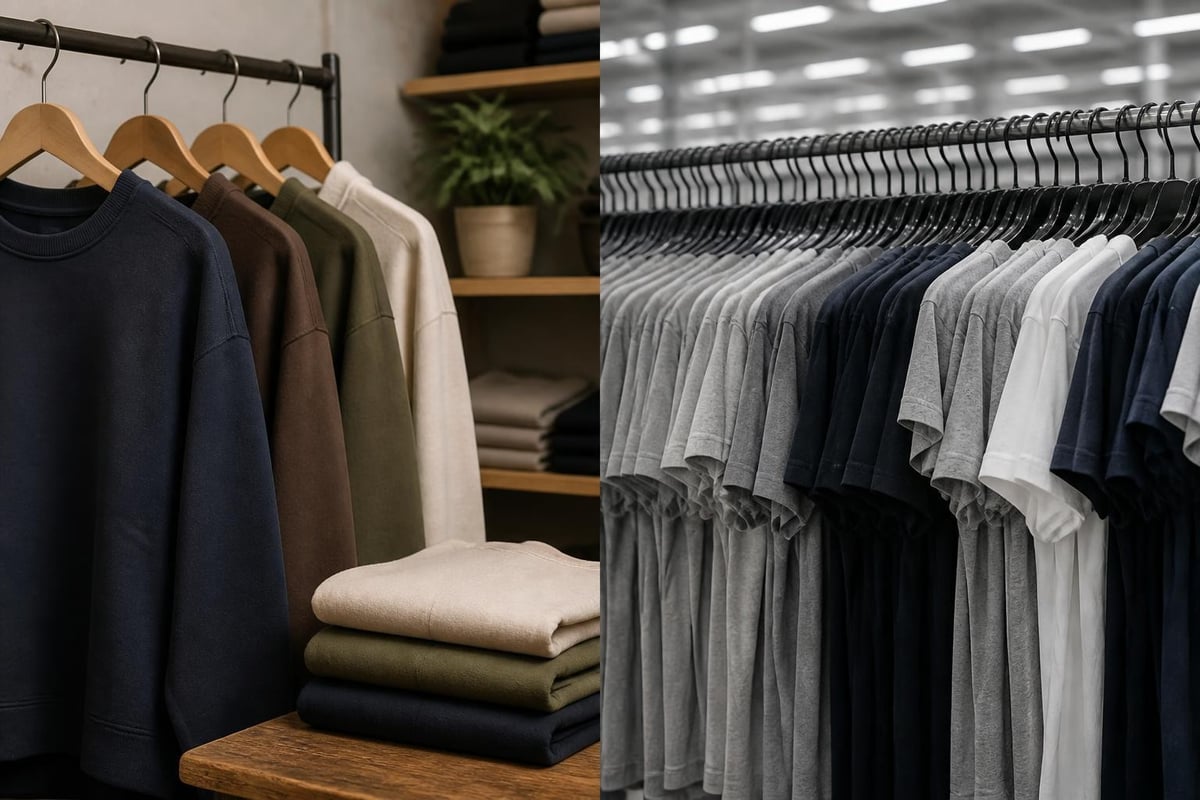
Underground clothing brands face unique pricing challenges. Higher per-unit production costs due to smaller runs compete with customer expectations shaped by fast fashion's artificially low prices. Successful labels educate their audience about true value, explaining why a premium heavyweight tee costs more than a basic alternative.
The pricing typically reflects:
- Superior fabric quality and construction methods
- Ethical manufacturing with fair labour practices
- Limited production quantities and exclusivity
- Design originality and creative development costs
- Brand independence without corporate subsidisation
For brands like BLNCE Streetwear, this means offering comfortable hoodies and premium tees that justify their price through tangible quality differences. Customers invest in pieces they'll wear for years, not seasons. This shifts the value equation from cost-per-purchase to cost-per-wear, where quality garments prove more economical over time.
Design Philosophy and Creative Direction
What separates underground clothing brands from mainstream alternatives often comes down to creative freedom. Without corporate committees dictating design directions or market research demanding trend alignment, independent designers pursue their artistic visions uncompromised. This results in collections that feel cohesive and intentional rather than reactive to fleeting trends.
The design process typically begins with cultural observation and personal experience rather than seasonal trend forecasting. Designers draw inspiration from their communities, travels, and artistic interests, creating pieces that tell stories or communicate specific messages. Graphics aren't merely decorative-they convey meaning, reference subcultures, or challenge conventions.
Many underground clothing brands collaborate extensively with artists, photographers, and other creatives, blurring the lines between fashion and art. These partnerships produce limited edition pieces that serve as wearable canvases, elevating streetwear beyond casual attire into cultural commentary. The collaborative approach also strengthens community ties, demonstrating that fashion exists within broader creative ecosystems.
Balancing Trends and Timelessness
While mainstream fashion cycles through trends rapidly, underground brands face the challenge of creating relevant pieces that don't feel dated within months. The solution lies in developing signature styles that incorporate contemporary elements without being defined by them. A well-designed oversized tee maintains appeal across multiple seasons because its core design transcends momentary preferences.
Successful independent labels create foundation pieces-the essential items that form wardrobe backbones-while occasionally introducing experimental designs that push creative boundaries. This balance keeps collections fresh without abandoning loyal customers who appreciate consistency. The most popular items often combine timeless silhouettes with distinctive details that signal brand identity.
Building Community Around Underground Brands
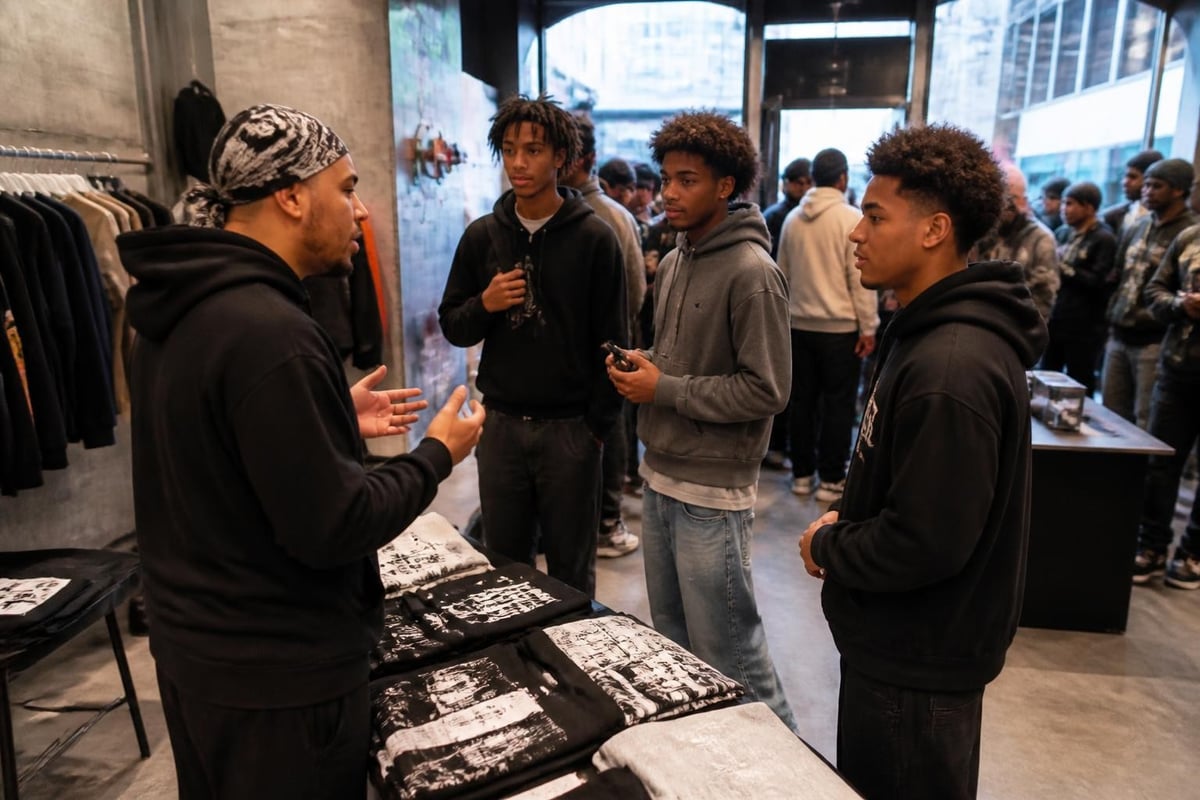
Underground clothing brands thrive on community engagement in ways that mainstream labels struggle to replicate. These aren't transactional relationships between corporations and consumers-they're mutual exchanges between creators and supporters who share values and aesthetics. Brands actively cultivate these communities through exclusive events, collaborative releases, and transparent communication.
Social media platforms enable unprecedented direct access between founders and customers. Many underground brand owners personally respond to comments, share development processes, and incorporate community feedback into design decisions. This accessibility builds loyalty that transcends individual purchases, creating advocates who promote brands organically because they genuinely believe in what they represent.
| Community Building Strategy | Impact | Implementation |
|---|---|---|
| Limited Edition Drops | Creates excitement and exclusivity | Announced via social channels |
| Behind-the-Scenes Content | Builds transparency and connection | Regular stories and posts |
| Local Pop-Up Events | Strengthens geographic communities | Partnerships with boutiques |
| Customer Spotlights | Validates and showcases supporters | Featured posts and galleries |
The community aspect extends to indie fashion brands that prioritise craftsmanship and originality, creating networks of like-minded consumers who support multiple independent labels. These overlapping communities share information, attend events together, and collectively push back against homogenised mainstream fashion. They prove that clothing choices can be expressions of belonging to something larger than individual style.
The Role of Digital Platforms
E-commerce democratised fashion retail, enabling underground clothing brands to reach global audiences without traditional distribution infrastructure. A brand operating from a small studio in Melbourne can serve customers across continents, competing effectively against established labels. This accessibility transformed the industry, allowing creativity and quality to determine success rather than marketing budgets alone.
However, digital platforms also present challenges. Algorithm changes can devastate organic reach overnight. Ad costs continue rising, pressuring margins already strained by ethical production commitments. Successful underground brands develop diverse digital strategies, balancing paid advertising with content marketing, influencer partnerships, and community-driven growth.
The most effective approaches treat social media as communication channels rather than sales platforms. Brands share their stories, values, and creative processes, allowing audiences to connect emotionally before considering purchases. This content-first strategy builds authentic relationships that convert to sales naturally, without aggressive retargeting or manipulative tactics that feel incongruent with underground brand identities.
Navigating the Influencer Landscape
Influencer marketing presents both opportunities and risks for underground clothing brands. Partnerships with the right creators can introduce labels to perfectly aligned audiences, driving meaningful growth. However, inappropriate partnerships dilute brand authenticity, especially when influencers promote dozens of conflicting brands simultaneously.
Selective collaboration proves more valuable than broad exposure. Underground brands seek influencers who genuinely align with their aesthetics and values, even if they command smaller followings. Micro-influencers with highly engaged niche audiences often deliver superior results compared to mega-influencers with millions of followers but lower engagement rates. Authenticity matters more than reach when building communities around independent labels.
Sustainability and Ethical Production
Underground clothing brands often lead the industry in sustainability and ethical manufacturing, not because of regulatory requirements or public relations considerations, but because these values align with their founding principles. Smaller production scales make it feasible to carefully vet suppliers, ensure fair wages, and select environmentally responsible materials.
Many independent labels prioritise local production, reducing transportation emissions while supporting domestic manufacturing. They choose organic or recycled fabrics, implement minimal packaging, and design pieces for longevity rather than disposability. These commitments come with higher costs, but they resonate with consumers increasingly conscious of fashion's environmental and social impacts.
The transparency common among underground clothing brands extends to their supply chains. They share factory locations, material sourcing, and production processes, inviting scrutiny that mainstream brands avoid. This openness builds trust and accountability, demonstrating that sustainability claims aren't merely marketing rhetoric but operational realities verified through transparent practices.
The True Cost of Fast Fashion Alternatives
When underground brands price their shorts or hoodies higher than fast fashion alternatives, they're not maximising profits-they're covering the true costs of ethical production. Fast fashion achieves low prices through environmental exploitation, labour abuse, and planned obsolescence. Underground labels reject these compromises, instead building business models around fair compensation, quality materials, and responsible manufacturing.
Educating customers about these cost differences remains essential. Many consumers genuinely don't understand why a premium tee costs three times more than a basic alternative. Breaking down cost components-fabric quality, manufacturing location, worker wages, limited production runs-helps justify pricing while raising awareness about fashion industry realities. This educational approach transforms price from a barrier into a statement of values.
The Future of Underground Fashion
The trajectory of underground clothing brands in 2026 suggests continued growth, driven by consumer desire for authenticity and quality. As mainstream fashion becomes increasingly homogenised and algorithm-driven, independent labels offering genuine creative vision will capture growing market share. The emerging designer brands gaining recognition demonstrate this trend, showing that consumers actively seek alternatives to corporate fashion.
Technology will play an expanding role, with virtual showrooms, augmented reality fitting tools, and blockchain authentication systems becoming standard. These innovations help underground brands compete effectively while maintaining their independent operations. Direct-to-consumer models will evolve, incorporating subscription services, made-to-order production, and hyper-personalisation that larger brands cannot efficiently deliver.
However, success brings challenges. As underground clothing brands grow, they must navigate the tension between scaling operations and maintaining the authenticity that attracted initial supporters. Some will choose to remain deliberately small, prioritising creative control over expansion. Others will grow strategically, finding ways to increase production while preserving their core values and community connections.
The definition of underground may shift as well. In an era where information spreads instantly and niche communities interconnect globally, true obscurity becomes increasingly difficult. Underground status may evolve from meaning "unknown" to representing an ethos-a commitment to independence, quality, and community regardless of size or recognition. Brands that maintain these principles while growing will redefine what underground means in contemporary fashion.
The success of platforms showcasing fashion brands poised to dominate 2026 proves that underground labels can achieve significant influence without compromising their identities. They demonstrate that independent doesn't mean amateur, and underground doesn't mean inferior. These brands represent the future of fashion-creative, responsible, and community-driven.
Underground clothing brands offer more than alternative style choices-they represent a fundamentally different approach to fashion that prioritises authenticity, quality, and community over mass appeal. As the streetwear landscape continues evolving, supporting independent labels becomes both a personal style statement and a vote for the kind of industry we want to see flourish. Whether you're seeking premium streetwear essentials or exploring the latest underground releases, investing in quality pieces from brands that share your values creates a wardrobe that reflects who you are. Discover how BLNCE Streetwear combines comfortable, functional design with authentic streetwear aesthetics, offering pieces built to last and designed for everyday wear.