


Table of Contents
- Why Australian Made Clothing Beats Fast Fashion on Durability
- The Benefits of 300GSM Cotton: Weight, Structure, and Longevity
- How Ethical Fashion Brands Change the Supply Chain
- How to Identify Australian Made Products Before You Buy
- Cost Per Wear: The Real Math Behind Australian Made Clothing
- Caring for Your Australian Made Pieces So They Last
- Circular Fashion and Recycling: Closing the Loop
- Conclusion
- Frequently Asked Questions
Last Updated: September 10, 2026
Why Australian Made Clothing Beats Fast Fashion on Durability
Australian made clothing is apparel manufactured onshore, from fabric cutting through to final stitching, under local workplace and environmental standards. At BLNCE Streetwear, we build every piece from 300GSM+ heavyweight cotton for exactly this reason: it survives the wash cycle that destroys lighter garments. This guide breaks down the durability, ethical and financial case for buying locally made, and shows you how to verify a genuine claim before you spend.
Here's the core argument. Fast fashion is cheap at the register and expensive over time. Locally made garments cost more upfront and less per year of actual wear.
The true cost of replacing cheap garments every season
The maths is unforgiving. A lightweight tee that pills after ten washes and loses its shape by month three gets replaced two or three times a year. A 300GSM cotton piece that holds its structure gets worn for years.
That gap is where the real spending happens, and it's invisible because it's spread across impulse purchases rather than one deliberate buy.
- Thin fabric stretches at the neckline and hem within weeks
- Cheap dye fades unevenly, so the garment looks worn before it is
- Loose stitching fails at stress points: shoulders, cuffs, waistbands
- Replacement cycles hide the true annual spend
The Australian Competition and Consumer Commission's guidance on consumer guarantees is clear that products must be durable by law, yet fast fashion routinely fails that bar within a season.
The Benefits of 300GSM Cotton: Weight, Structure, and Longevity
300GSM cotton is fabric weighing 300 grams per square metre, roughly double the weight of standard fast-fashion jersey. That density is what creates structure, opacity and resistance to stretching.
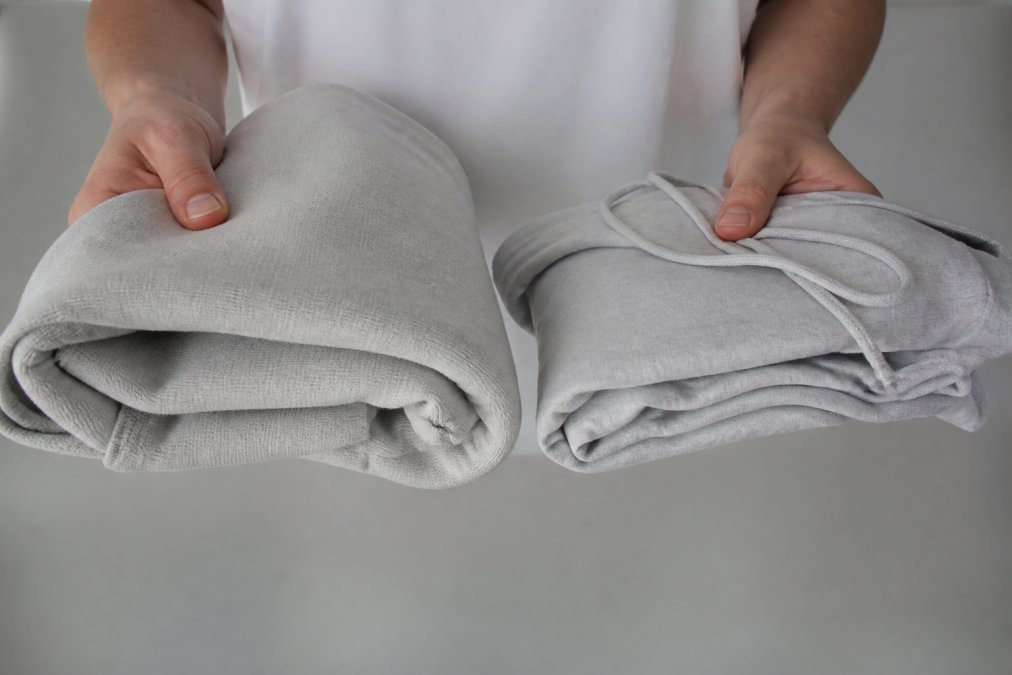
The benefits stack up quickly:
- Shape retention. Heavier knits resist the sagging that turns an oversized fit into a shapeless one.
- Opacity. No show-through, so a single layer works.
- Drape and structure. The garment hangs the way it was designed to, not the way gravity pulls it.
- Wash durability. Denser fabric handles repeated washing without thinning.
- Temperature regulation. Natural cotton breathes better than synthetic blends.
A common mistake is judging fabric by feel alone in a store. Weight is the better predictor. If a garment feels substantial and holds its shape on the hanger, it will hold it on you.
How Ethical Fashion Brands Change the Supply Chain
Ethical fashion brands are labels that publish where and how their garments are made, pay workers legally mandated rates, and take responsibility for environmental impact. The difference shows up in two places: who makes the clothes, and what it costs the planet to get them to you. For locally made garments, both are governed by enforceable law rather than self-reported factory audits.
Fair wages and safe working conditions
Onshore manufacturing sits inside a legal framework that offshore supply chains only opt into voluntarily. The relevant instruments are specific:
- The Fair Work Act 2009 sets the safety net of minimum wages and the National Employment Standards, including maximum weekly hours and leave entitlements.
- Modern awards such as the Textile, Clothing, Footwear and Associated Industries Award 2020 set minimum rates, penalty rates and overtime for garment workers.
- Work Health and Safety legislation in each state and territory imposes duties on the employer, enforceable by regulators like Safe Work Australia's state counterparts, not by the brand's own PR team.
- The Fair Work Ombudsman can investigate underpayment and prosecute breaches, and has run targeted audits of textile and apparel businesses.
That matters because the alternative is a system where a brand commissions an audit, receives a report, and decides for itself whether the findings are acceptable. When you buy locally made, the floor is set by statute and enforced by a public regulator with subpoena powers, not by a supplier questionnaire.
Lower carbon footprint from local manufacturing
Domestic production eliminates international freight, which is typically the single largest emissions source in a garment's supply chain. A shirt cut and sewn in Melbourne and sold in Sydney travels by road; the same shirt sewn offshore travels by sea freight or air, then by road, then often by another road leg to a distribution centre and a final delivery van.
Shorter distances mean fewer transport emissions and less packaging waste, because garments don't need individual polybags and cartons for a multi-week ocean crossing. The emissions advantage compounds when the fibre is also grown locally: Australian merino wool, for example, is shorn, scoured, spun and knitted without crossing a border, whereas an imported wool garment may ship raw fibre, then yarn, then finished cloth, then the garment itself.
Research from the Ellen MacArthur Foundation on textile waste and circular design consistently shows that supply chain length and material choice are two of the biggest levers on a garment's total environmental impact. Local manufacturing shortens the first; fibre selection controls the second.
Transparency in the supply chain
Transparency means a brand can name its cut-make-trim facility, its fabric mill and its fibre source on request. A useful test: ask which modern award covers the people who sewed the garment. A brand manufacturing onshore will know. A brand importing finished goods usually won't, because it never had to.
Under the Modern Slavery Act 2018 (Cth), larger Australian entities must report annually on the risks of modern slavery in their operations and supply chains. That reporting obligation doesn't apply to every small label, but it has pushed disclosure norms down the supply chain, and brands that manufacture locally have a shorter, easier-to-map chain to disclose.
How to Identify Australian Made Products Before You Buy
Verifying a local manufacturing claim takes about thirty seconds if you know what to check.
- Look for the triangular Australian Made logo with the kangaroo, which requires certification
- Check the label for a business address, not just a brand name
- Search the brand's site for a stated factory or manufacturing partner
- Confirm the country of origin is listed separately from the country of design
- Be sceptical of "designed in" claims, which say nothing about where it was made
The Australian Made Campaign's official certification criteria sets out exactly what a brand must prove to carry the logo. If a label can't show that certification or name its factory, treat the claim as marketing until proven otherwise.
Cost Per Wear: The Real Math Behind Australian Made Clothing
Cost per wear is the purchase price divided by the number of times you actually wear the garment. It's the only metric that fairly compares a cheap item to a durable one, and it's simple enough to run on your phone before you buy.
Cost per wear = purchase price ÷ total wears
The formula only works if you're honest about the denominator. Most people overestimate how often they wear a garment that pills, fades or loses its shape, because they stop reaching for it long before they stop owning it.
Worked example: a tee over three years
Take two plain tees, both worn twice a week for a 40-week wearing season, about 80 wears a year.
| Fast fashion tee | 300GSM local tee | |
|---|---|---|
| Purchase price | Lower upfront | Higher upfront |
| Realistic lifespan | ~6 months before pilling and neckline stretch | 3+ years with cold washing and air drying |
| Total wears | ~40 | ~240 |
| Replacements over 3 years | 6 | 1 |
| Cost per wear | Price ÷ 40 | Price ÷ 240 |
Because the local tee delivers roughly six times the wears, it wins on cost per wear as long as it costs less than six times as much. In practice, heavyweight onshore-made cotton typically sits well inside that ratio, which is why the maths usually favours the durable option even when the sticker price is two or three times higher.
Why the cheap option feels cheaper
The trap is timing, not arithmetic. A cheap garment spreads its cost across many small, forgettable purchases, a replacement here, a top-up there, while a durable garment concentrates it into one deliberate decision. The annual spend on replacements is real, but it never appears as a single line item, so it never gets compared against the alternative.
There's also a hidden cost the formula doesn't capture: the cheap garment looks worse for most of its life. You're paying a lower cost per wear on a piece that has already faded, stretched or pilled by month three.
Run it on your own wardrobe
Pick the garment you wear most. Divide what you paid by the number of times you've genuinely worn it. Then ask what the number would look like if the garment had lasted three times as long. That gap is the cost of buying on price alone, and it's usually larger than the difference in sticker price.
This is where the cost-per-wear case gets uncomfortable for fast fashion. The cheaper garment almost always loses once you divide by actual wears, and the longer you keep the durable one in rotation, the further ahead it pulls.
Caring for Your Australian Made Pieces So They Last
Care is where most people accidentally undo the durability they paid for.
- Wash cold, inside out, on a gentle cycle
- Skip the dryer; heat is what shrinks cotton and breaks down fibres
- Use less detergent than you think you need
- Air dry flat or on a line in shade to protect colour
- Fold knits rather than hanging them, which stretches shoulders
Get these five habits right and a heavyweight piece will outlast three cheap replacements without looking tired.
Circular Fashion and Recycling: Closing the Loop
Circular fashion means designing garments so their materials can be reused, repaired or recycled at end of life rather than sent to landfill. Durable garments fit this model naturally because they stay in use longer.
Natural fibres like merino wool and heavyweight cotton are easier to recycle than blended synthetics, which is another reason material choice matters at the point of purchase. When a garment is built to last and made from a single, identifiable fibre, it has a second life instead of a landfill date.
Conclusion
The hardest part isn't understanding why locally made clothing wins on durability and ethics. It's resisting the cheap option at the register long enough to do the maths. BLNCE Streetwear builds 300GSM+ cotton tees, hoodies, joggers and shorts made in Australia, with a structured feel that holds its shape wash after wash, and free shipping on orders over $100. Shop now and buy pieces that earn their cost per wear.
Frequently Asked Questions
What does 100% Australian made mean?
For a product to carry the Australian Made logo, it must meet the Australian Consumer Law safe harbour definition, meaning it was substantially transformed in Australia and the maker can prove the cost of local materials and processing equals at least 50% of the total production cost. This is stricter than 'Made in Australia' claims alone. When you see the logo, it signals genuine local manufacturing, not just assembly or packaging done here.
Is Australian made clothing more durable than fast fashion?
It often is, largely because of material choice. Australian makers tend to use heavier fabrics like 300GSM cotton, which holds its shape and resists pilling far longer than the lightweight blends common in fast fashion. A 300GSM tee or hoodie can withstand regular washing and wear for years, while a thin fast-fashion equivalent might lose structure within months. The durability comes from fabric weight and construction quality, not just the country of origin.
How does buying local clothing support the national economy?
Money spent on locally made clothing stays in the country longer. It pays local wages, supports local fabric suppliers, and keeps manufacturing jobs here rather than offshore. Those wages then get spent in local businesses, creating a multiplier effect. Choosing Australian made also reduces reliance on international freight, which cuts both carbon emissions and exposure to overseas supply chain disruptions.
What are the environmental benefits of choosing locally manufactured garments?
Local manufacturing cuts the distance your clothes travel before reaching you, which lowers the carbon footprint tied to international freight. Australian makers also operate under local environmental and workplace safety regulations, which set standards for waste, chemical use, and worker protection. Fewer air miles plus tighter local oversight means a smaller environmental impact per garment compared to fast fashion shipped from overseas factories.