


The world of streetwear fashion has been profoundly shaped by a handful of pioneering labels, and few have achieved the cultural significance and lasting impact of BAPE brands. Since its inception in the bustling Harajuku district of Tokyo, A Bathing Ape has transcended its Japanese roots to become a global phenomenon that bridges fashion, music, and youth culture. Understanding the ecosystem of bape brands offers valuable insights into what makes streetwear resonate with audiences worldwide, from limited-edition collaborations to the strategic brand partnerships that keep the label fresh and relevant across generations.
The Foundation of BAPE Brands and Their Cultural Significance
A Bathing Ape, commonly known as BAPE, was founded by Nigo (Tomoaki Nagao) in 1993, establishing itself as one of the most influential Japanese streetwear labels. The history of BAPE reveals how this single brand created an entire ecosystem of sub-labels and collaborative ventures that would define modern streetwear.
The genius behind bape brands lies in their ability to create scarcity while maintaining desirability. Nigo's philosophy of producing limited quantities ensured that BAPE products remained exclusive and highly sought after. This approach contrasted sharply with mass-market fashion, creating a blueprint that many contemporary streetwear labels, including emerging brands like BLNCE Streetwear, study and adapt for today's market.
Key Elements That Define BAPE's Brand Identity
Signature design elements distinguish bape brands from competitors:
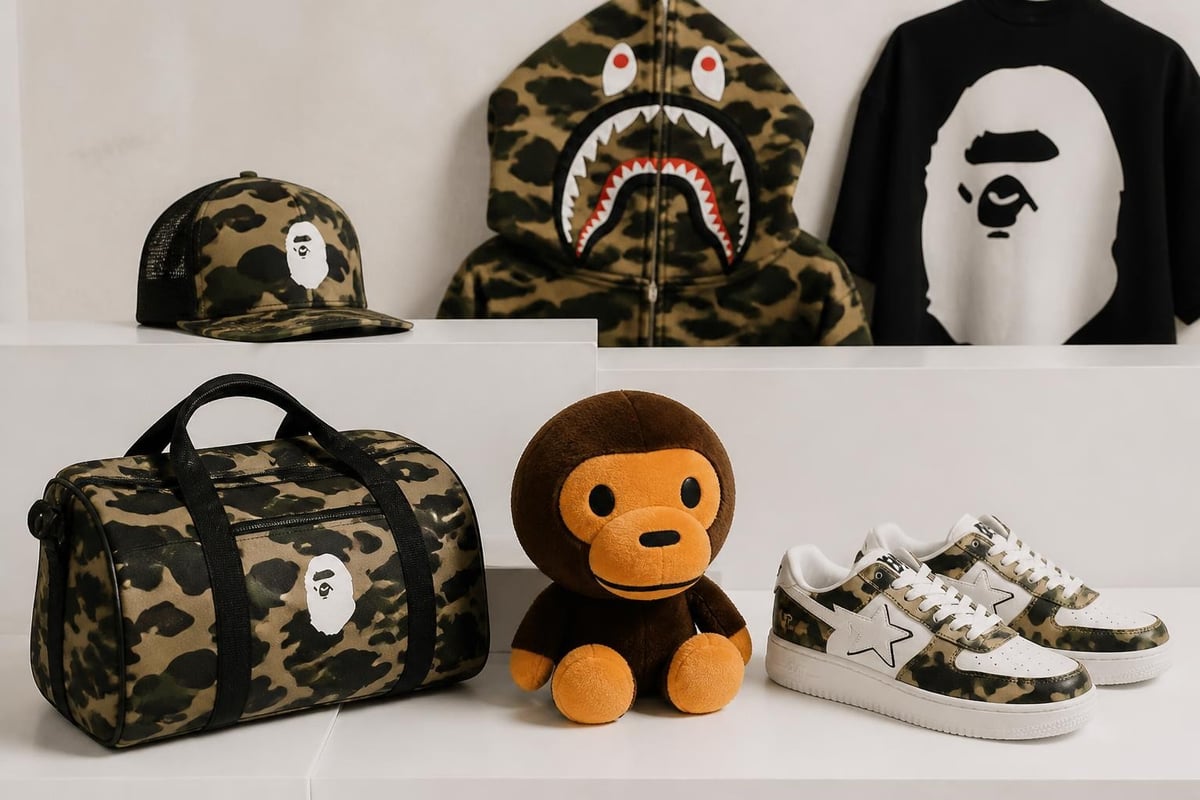
- The iconic Ape Head logo that appears across countless products
- BAPE Camo patterns in multiple colourways that became instantly recognisable
- The Shark Hoodie with its distinctive face-covering zip design
- Baby Milo character that appeals to collectors and fashion enthusiasts
- Premium quality construction that justifies higher price points
The brand's aesthetic combines Japanese attention to detail with American hip-hop influences, creating a unique visual language that resonates globally. This cultural fusion has made BAPE products status symbols that communicate taste, knowledge, and belonging to a specific subculture.
Strategic Collaborations That Expanded BAPE Brands
Collaboration has been the lifeblood of bape brands, with partnerships spanning luxury fashion, sportswear, music, and entertainment. These strategic alliances have introduced BAPE to new audiences while maintaining credibility within core streetwear circles.
The BAPE and Reebok collaboration exemplifies how sportswear partnerships can blend technical performance with streetwear aesthetics. Their joint releases of the Club C 85 and Instapump Fury sneakers demonstrated BAPE's ability to reinterpret classic silhouettes through its distinctive design language, creating products that appeal to both sneakerheads and fashion enthusiasts.
Music Industry Partnerships
Music has always been central to BAPE's brand identity. The collaboration with Don Toliver showcased how contemporary artists continue to gravitate toward the label, reinforcing its relevance in current hip-hop culture. Similarly, the BAPE x Def Jam Enterprises partnership celebrated the deep connection between streetwear and hip-hop, creating limited-edition pieces that honour this cultural synergy.
Notable music collaborations include:
- Pharrell Williams (ongoing partnership spanning decades)
- Kanye West (early 2000s collaborations)
- Travis Scott (multiple capsule collections)
- Kid Cudi (exclusive releases)
- Don Toliver (2024-2026 collaborations)
These partnerships demonstrate how bape brands maintain cultural currency by aligning with artists who influence youth culture and fashion trends.
The Designer Collaboration Strategy
High-profile designer collaborations have elevated bape brands beyond streetwear into the realm of contemporary fashion. The BAPE by KidSuper collection represents the brand's willingness to explore new creative territories while respecting its heritage. KidSuper's artistic approach brought fresh perspective to BAPE's iconic motifs, creating pieces that appealed to both traditional fans and new audiences discovering the brand through contemporary fashion channels.
| Collaboration Type | Benefits | Target Audience | Impact Level |
|---|---|---|---|
| Music Artists | Cultural relevance | Hip-hop fans, youth culture | High |
| Sportswear Brands | Technical innovation | Sneaker collectors, athletes | Medium-High |
| Designer Partnerships | Fashion credibility | Fashion enthusiasts, collectors | Medium |
| Entertainment Properties | Market expansion | Mainstream consumers | Variable |
This multi-pronged approach ensures bape brands remain relevant across different market segments without diluting core brand identity.
Product Categories Within BAPE Brands
The expansion of BAPE has created a diverse product ecosystem that extends far beyond its original offerings. Understanding these categories helps appreciate the comprehensive nature of bape brands and their market strategy.
Apparel and Accessories
BAPE's clothing range spans casual streetwear to more refined pieces suitable for diverse occasions. Their oversized tees and comfortable hoodies set benchmarks for quality that emerging brands emulate. The emphasis on premium cotton, thoughtful construction, and distinctive graphics creates products that justify premium pricing while delivering genuine value.
Core product categories include:
- Graphic t-shirts with signature prints and logos
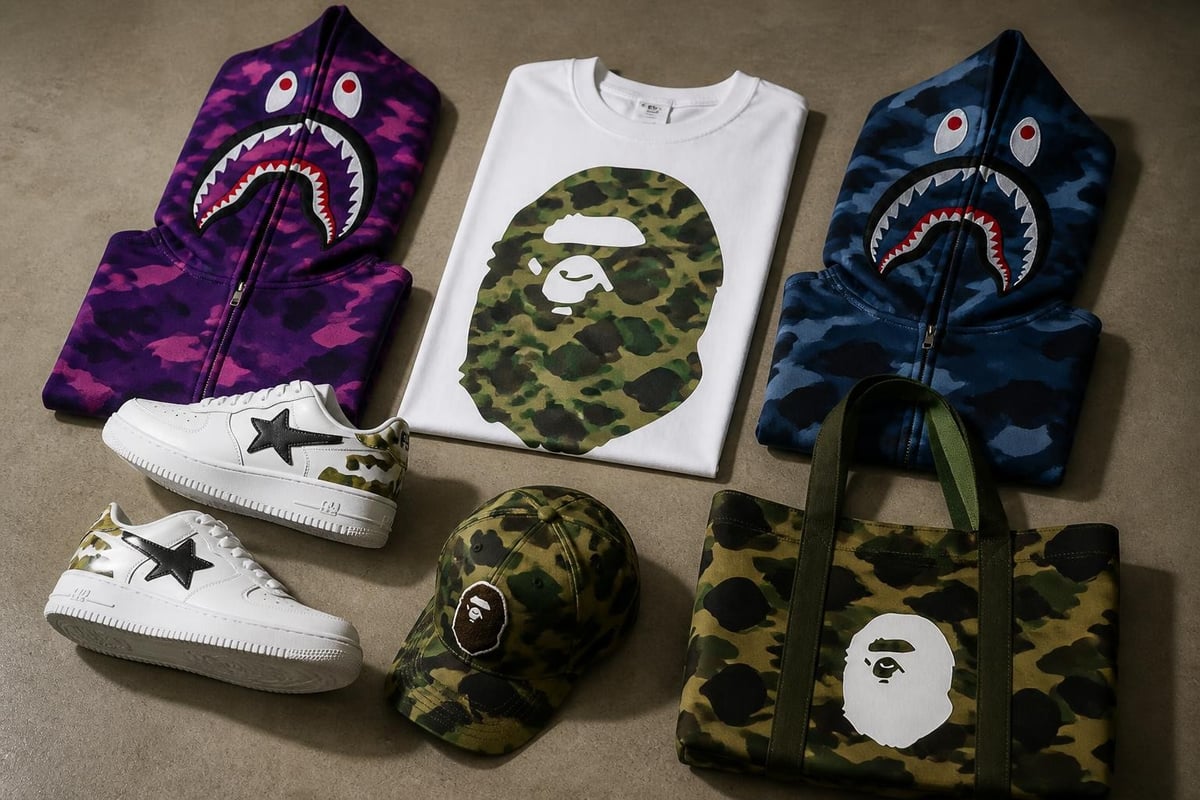
- Full-zip hoodies including the iconic Shark design
- Crewneck sweaters and cardigans
- Outerwear ranging from windbreakers to down jackets
- Denim and trousers with signature detailing
- Accessories including bags, caps, and socks
Footwear and Sneakers
BAPE's footwear division produces both original designs and collaborative pieces that command significant resale value. The BAPE STA silhouette, clearly inspired by Nike's Air Force 1, became an icon in its own right, demonstrating how bape brands could create recognisable products within established categories.
Market Positioning and Brand Evolution
The positioning of bape brands has evolved significantly since the 1990s. Initially positioned as ultra-exclusive Japanese streetwear, BAPE has expanded its accessibility while attempting to maintain prestige. This balancing act presents challenges that many premium streetwear brands face as they grow.
Geographic Expansion Strategy
BAPE's international growth followed a careful strategy of establishing flagship stores in key fashion capitals before expanding more broadly. This approach maintained brand prestige while building global presence.
- Tokyo dominance (1993-2000): Establishing credibility in Harajuku
- Asian expansion (2000-2005): Hong Kong, Taiwan, and other markets
- Western markets (2005-2010): New York, London, Los Angeles stores
- Global presence (2010-present): Worldwide distribution with controlled expansion
This phased approach allowed bape brands to build authentic connections with local streetwear communities rather than appearing as another mass-market fashion label.
Challenges and Adaptations for BAPE Brands
Like all heritage streetwear labels, bape brands face the challenge of remaining relevant to new generations while satisfying long-time fans. The brand's 2011 sale to Hong Kong-based I.T Limited marked a significant transition, with subsequent ownership changes affecting brand direction and market perception.
Balancing Heritage and Innovation
The tension between preserving iconic designs and introducing fresh concepts defines modern bape brands strategy. While signature items like the Shark Hoodie continue selling, the brand must also experiment with new silhouettes, materials, and design approaches to avoid stagnation.
Key adaptation strategies include:
- Seasonal themes that reinterpret classic BAPE motifs
- Technology integration in materials and construction
- Sustainable materials exploration to address environmental concerns
- Digital engagement through online releases and virtual experiences
- Price tier diversification to address different customer segments
This approach mirrors strategies employed by popular streetwear brands attempting to navigate rapidly changing fashion landscapes.
The Business Model Behind BAPE Brands
Understanding the commercial structure of bape brands reveals lessons applicable to emerging streetwear labels. The combination of retail stores, online presence, and wholesale partnerships creates multiple revenue streams while controlling brand presentation.
Retail and Distribution Channels
| Channel Type | Advantages | Challenges | Control Level |
|---|---|---|---|
| Flagship Stores | Brand experience, full control | High operational costs | Complete |
| Online Direct | Global reach, lower overhead | Shipping complexity, returns | High |
| Wholesale Partners | Market expansion, capital efficiency | Diluted brand control | Medium |
| Pop-up Shops | Event marketing, testing markets | Temporary, resource intensive | High |
The multi-channel approach ensures bape brands reach diverse customer segments while maintaining enough direct touchpoints to preserve brand identity and customer relationships.
Lessons for Emerging Streetwear Brands
The evolution of bape brands offers valuable insights for emerging labels seeking to build lasting presence in competitive streetwear markets. While few brands will achieve BAPE's iconic status, understanding their strategic decisions helps inform smarter brand building.
Building Brand Identity
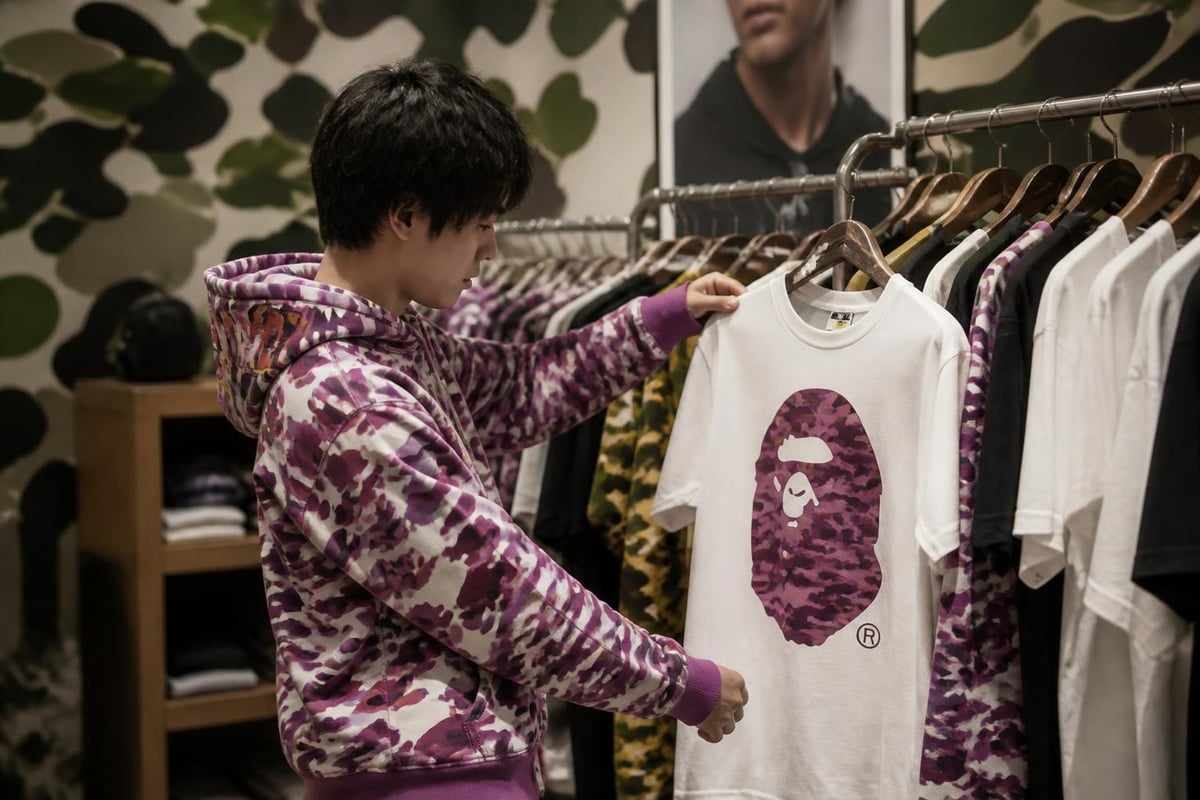
BAPE's success stemmed from creating immediately recognisable design elements that couldn't be easily replicated. The Ape Head logo and distinctive camouflage patterns became visual shorthand for the brand, similar to how luxury streetwear brands develop signature aesthetics that communicate quality and exclusivity.
Essential brand-building elements include:
- Distinctive visual identity that stands out in crowded markets
- Consistent quality standards across all products
- Strategic scarcity that maintains desirability
- Authentic cultural connections rather than opportunistic trends
- Community building through events, collaborations, and engagement
These principles remain relevant whether launching a Tokyo-based label or an Australian streetwear brand serving local communities.
The Cultural Impact Beyond Fashion
The influence of bape brands extends beyond clothing into broader youth culture, art, and design. BAPE's aesthetic has appeared in music videos, art installations, and even automotive customisation, demonstrating how successful streetwear brands transcend their original category.
This cultural penetration creates self-reinforcing brand value. When artists, athletes, and celebrities wear BAPE without formal sponsorship agreements, they provide authentic endorsements that paid marketing cannot replicate. This organic brand advocacy has been crucial to maintaining relevance across changing fashion cycles.
Digital Presence and Social Media Strategy
Modern bape brands leverage digital platforms to maintain global conversations around releases, collaborations, and brand culture. Instagram, TikTok, and YouTube serve as essential channels for showcasing products, documenting brand history, and engaging younger audiences discovering BAPE for the first time.
The visual history of BAPE available through video content helps new customers understand brand heritage while reminding longtime fans why they initially connected with the label. This dual-purpose content strategy addresses different audience segments simultaneously.
BAPE Brands in the Current Streetwear Landscape
As we progress through 2026, bape brands occupy a unique position in streetwear's hierarchy. While newer labels like Supreme, Off-White, and Fear of God capture headlines, BAPE maintains steady relevance through consistent product quality and strategic evolution.
The brand's ability to collaborate across categories keeps products fresh without abandoning core identity. Whether partnering with established sportswear giants or emerging designers, BAPE demonstrates that heritage brands can remain dynamic when they balance tradition with experimentation.
Competition and Market Dynamics
The streetwear market has become increasingly crowded, with countless labels competing for consumer attention and wallet share. BAPE brands face competition from both established labels and nimble newcomers who leverage social media and direct-to-consumer models.
Competitive advantages BAPE maintains:
- Decades of brand equity and recognition
- Proven track record of successful collaborations
- Global distribution infrastructure
- Dedicated collector community
- Archive of iconic designs to reissue and reinterpret
These strengths position bape brands to weather market fluctuations better than labels dependent on single viral moments or celebrity associations.
Quality and Craftsmanship Standards
One often-overlooked aspect of bape brands' longevity is commitment to product quality. While not positioned as luxury fashion, BAPE maintains construction standards that justify premium pricing and encourage customer loyalty. This attention to materials, fit, and durability creates tangible value beyond logo recognition.
For brands like BLNCE Streetwear focusing on everyday wear that combines fashion with functionality, BAPE's quality standards offer benchmarks worth studying. Customers increasingly expect streetwear to perform as well as it looks, making durability and comfort essential alongside aesthetic appeal.
Manufacturing and Production Ethics
As consumer awareness of production practices grows, bape brands face scrutiny regarding manufacturing ethics and environmental impact. The brand's response to these concerns will influence future relevance, particularly among younger consumers who prioritise sustainability alongside style.
Transparency about sourcing, fair labour practices, and environmental responsibility increasingly differentiate streetwear labels in crowded markets. How BAPE addresses these expectations while maintaining quality and profitability will shape the brand's next chapter.
Future Directions for BAPE Brands
Looking ahead, bape brands must navigate several challenges while capitalising on opportunities presented by evolving fashion landscapes. Digital fashion, NFTs, and virtual goods represent potential growth areas that align with BAPE's tech-savvy customer base.
The brand's willingness to experiment with new formats while respecting core identity will determine long-term success. Whether expanding into new product categories, exploring emerging markets, or adopting new technologies, BAPE's decisions will influence broader streetwear trends.
Potential growth opportunities include:
- Enhanced sustainability initiatives addressing environmental concerns
- Digital collectibles and virtual fashion for gaming/metaverse platforms
- Expanded women's and children's lines beyond current offerings
- Direct-to-consumer personalisation and customisation services
- Experiential retail concepts that blend physical and digital shopping
These directions could expand bape brands' reach while maintaining the exclusivity and cultural cachet that defined the original vision.
The enduring influence of bape brands demonstrates that streetwear success requires more than trendy designs or celebrity endorsements-it demands consistent quality, authentic cultural connections, and strategic evolution across decades. Whether you're drawn to heritage labels or discovering streetwear through contemporary brands, understanding BAPE's journey provides valuable context for appreciating the industry's past and future. For those seeking that perfect balance of style and everyday functionality in their wardrobe, BLNCE Streetwear offers comfortable, well-crafted pieces that honour streetwear's roots while serving modern lifestyles-from oversized tees to heavyweight hoodies designed for the streets you actually walk every day.