


The streetwear landscape has transformed dramatically over the past decade, with the urban clothing shop emerging as a cultural hub rather than simply a retail space. In 2026, these establishments represent more than commerce-they embody lifestyle, community, and authentic self-expression. Whether you're shopping for the latest drops or building a brand that resonates with streetwear enthusiasts, understanding what makes an urban clothing shop successful has never been more critical. This guide explores the essential elements that define thriving streetwear retail, from inventory strategies to customer engagement techniques that create lasting connections.
The Evolution of Urban Streetwear Retail
The modern urban clothing shop has undergone a remarkable transformation from its origins in skateboard culture and hip-hop communities. Today's streetwear retailers operate at the intersection of fashion, art, and digital culture, creating experiences that extend far beyond traditional shopping.
Understanding the Current Market Landscape
The streetwear market in 2026 continues its explosive growth trajectory, with global fashion trends increasingly influenced by urban wear aesthetics. This shift reflects broader cultural movements where comfort meets style, and functionality pairs seamlessly with fashion-forward design.
Consumer behaviour has evolved significantly, with shoppers seeking authenticity and brand stories that align with their values. An urban clothing shop must now deliver:
- Curated collections that reflect current street culture
- Limited-edition releases that create urgency and exclusivity
- Community-focused events and collaborations
- Seamless integration between physical and digital shopping experiences
The rise of urban preppy fashion trends demonstrates how traditional boundaries between style categories continue to blur, offering innovative retailers opportunities to explore hybrid aesthetics.
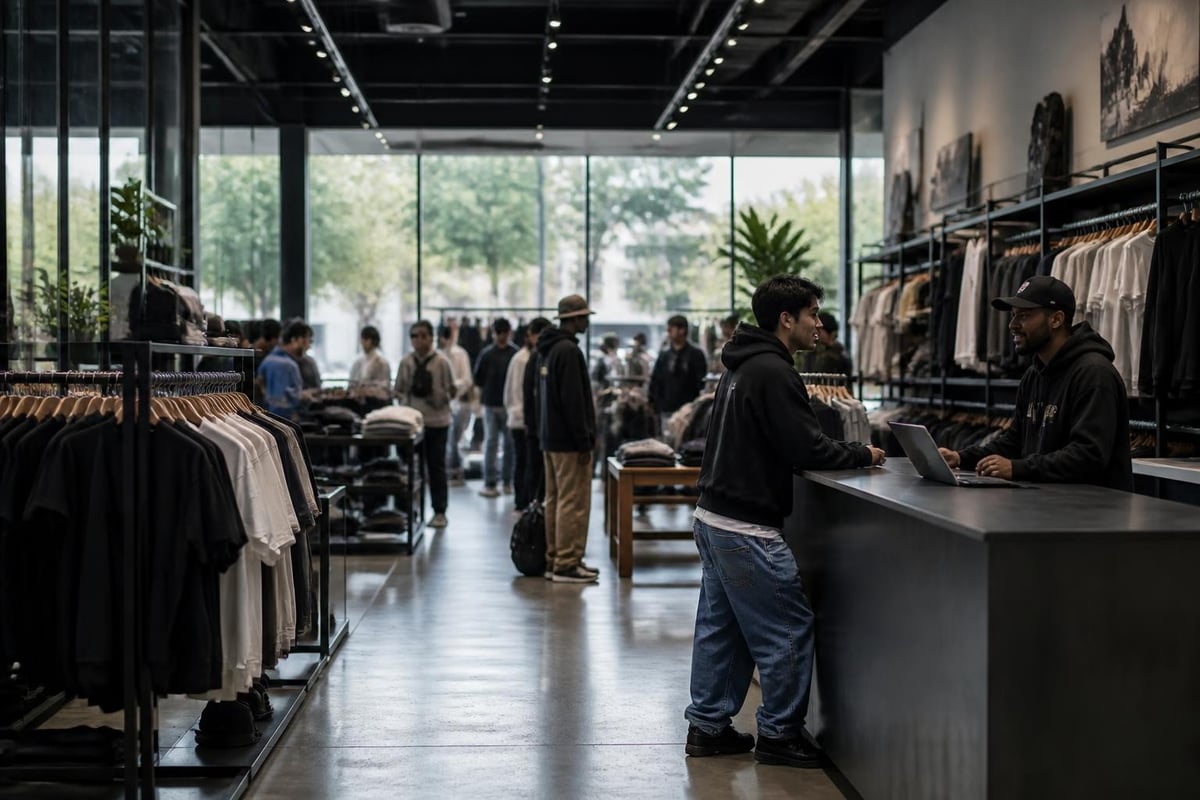
Essential Inventory Strategies for Success
Building the right product mix separates thriving streetwear retailers from those struggling to connect with their audience. An urban clothing shop needs strategic inventory management that balances trend awareness with timeless essentials.
Core Product Categories
Every successful streetwear retailer maintains a foundation of essential items that customers rely on for everyday wear. These staples provide consistent revenue while allowing room for experimental pieces.
| Product Category | Importance Level | Inventory Ratio |
|---|---|---|
| Graphic Tees | Essential | 30-35% |
| Hoodies & Sweatshirts | Essential | 25-30% |
| Shorts & Joggers | High | 20-25% |
| Accessories | Medium | 10-15% |
| Limited Editions | High Impact | 5-10% |
Quality comfortable hoodies for everyday wear remain perpetual bestsellers, offering versatility that appeals to diverse customer segments. Similarly, well-designed shorts provide year-round value in Australian markets where climate demands adaptable wardrobes.
Trend-Forward Selection
According to wholesale urban wear experts, 2026 brings several key trends that urban clothing shops should incorporate:
- Oversized silhouettes that prioritize comfort without sacrificing style
- Sustainable materials addressing environmental concerns
- Tech-integrated fabrics offering moisture-wicking and temperature regulation
- Vintage-inspired graphics creating nostalgic connections
- Bold colour blocking making statement pieces stand out
The most popular items often combine multiple trend elements while maintaining wearability that extends beyond single seasons.
Creating an Authentic Brand Identity
In a saturated market, your urban clothing shop requires a distinctive identity that resonates emotionally with target customers. Brand authenticity cannot be manufactured overnight-it develops through consistent messaging, quality products, and genuine community engagement.
Defining Your Unique Position
Successful streetwear brands understand their niche within the broader urban fashion ecosystem. BLNCE Streetwear, for example, positions itself around balance-combining comfort with style, functionality with fashion-forward design. This clear positioning informs every business decision from product design to marketing strategies.
Your brand story should answer critical questions:
- What gap in the market does your urban clothing shop fill?
- Who is your ideal customer, and what matters to them?
- What values guide your product curation and business practices?
- How does your offering differ from competitors?
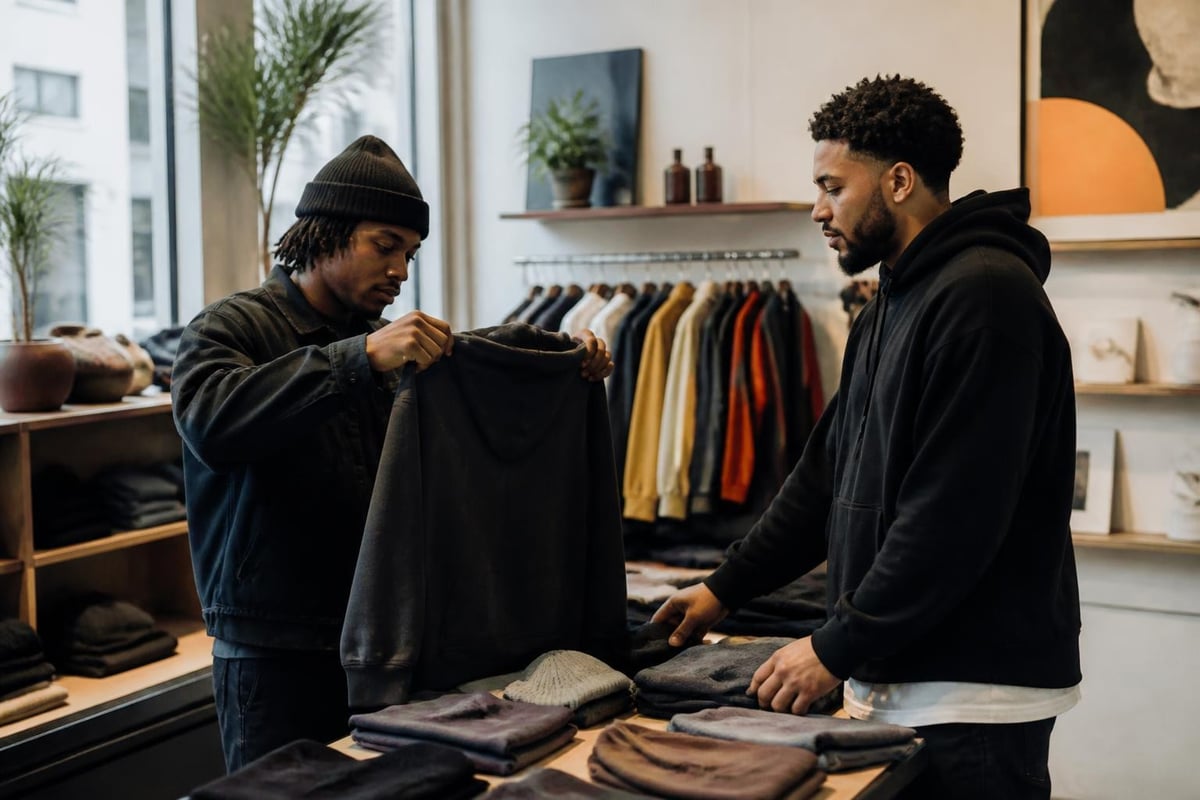
Visual Consistency Across Touchpoints
Your brand's visual language extends across every customer interaction, from storefront design to social media content. Consistency builds recognition and trust, making your urban clothing shop memorable in crowded markets.
Consider how brands like popular streetwear retailers maintain cohesive aesthetics through:
- Logo design and colour palettes that reflect urban culture
- Photography styles that capture authentic street moments
- Packaging that elevates unboxing experiences
- Store layouts that encourage exploration and discovery
Digital Integration and E-Commerce Excellence
The division between physical and online retail has virtually disappeared. An urban clothing shop in 2026 operates as an omnichannel experience where digital and physical elements work in harmony.
Building Your Online Presence
Your digital storefront serves as many customers' first impression of your brand. Investment in user-friendly website design, high-quality product photography, and seamless checkout processes directly impacts conversion rates.
Key digital priorities include:
- Mobile-optimised shopping experiences for on-the-go consumers
- Detailed product descriptions highlighting materials, fit, and styling options
- Customer reviews and user-generated content building social proof
- Email marketing nurturing long-term customer relationships
Exploring content marketing through streetwear blogs positions your urban clothing shop as an industry authority while improving search visibility.
Social Media as a Sales Channel
Instagram, TikTok, and emerging platforms function as discovery engines where streetwear enthusiasts find their next favourite brands. According to research on street style analysis, visual content showcasing real people wearing urban clothing significantly influences purchasing decisions.
Effective social strategies incorporate:
- Behind-the-scenes content showing product development
- Styling tutorials demonstrating versatility
- Customer spotlights featuring authentic testimonials
- Limited drop announcements creating urgency
- Collaborative content with complementary brands
Customer Experience and Community Building
The most successful urban clothing shops cultivate communities rather than simply processing transactions. This community-first approach transforms casual shoppers into brand advocates who actively promote your products.
In-Store Experience Innovation
Physical retail spaces offer opportunities for experiential marketing that online channels cannot replicate. Your store layout, music selection, staff knowledge, and overall atmosphere communicate brand values more powerfully than any advertising campaign.
Progressive retailers incorporate:
- Dedicated spaces for trying complete outfit combinations
- Interactive displays showcasing brand heritage and product stories
- Event hosting capabilities for launches, collaborations, and community gatherings
- Knowledgeable staff who understand streetwear culture authentically
Retail analytics show increased foot traffic for stores that invest in experiential elements, proving that physical retail remains vital when executed thoughtfully.
Loyalty Programs That Resonate
Traditional point-based loyalty programs feel transactional and uninspiring. Instead, consider reward structures that align with streetwear culture:
| Loyalty Feature | Customer Benefit | Business Value |
|---|---|---|
| Early Access to Drops | Exclusive purchasing windows | Increased engagement |
| Member-Only Collabs | Limited products unavailable elsewhere | Community strengthening |
| Style Consultations | Personalised fashion guidance | Higher average order value |
| Community Events | Networking and brand connection | Word-of-mouth marketing |
Building genuine relationships means understanding that customers support your urban clothing shop because they connect with what you represent, not just what you sell.
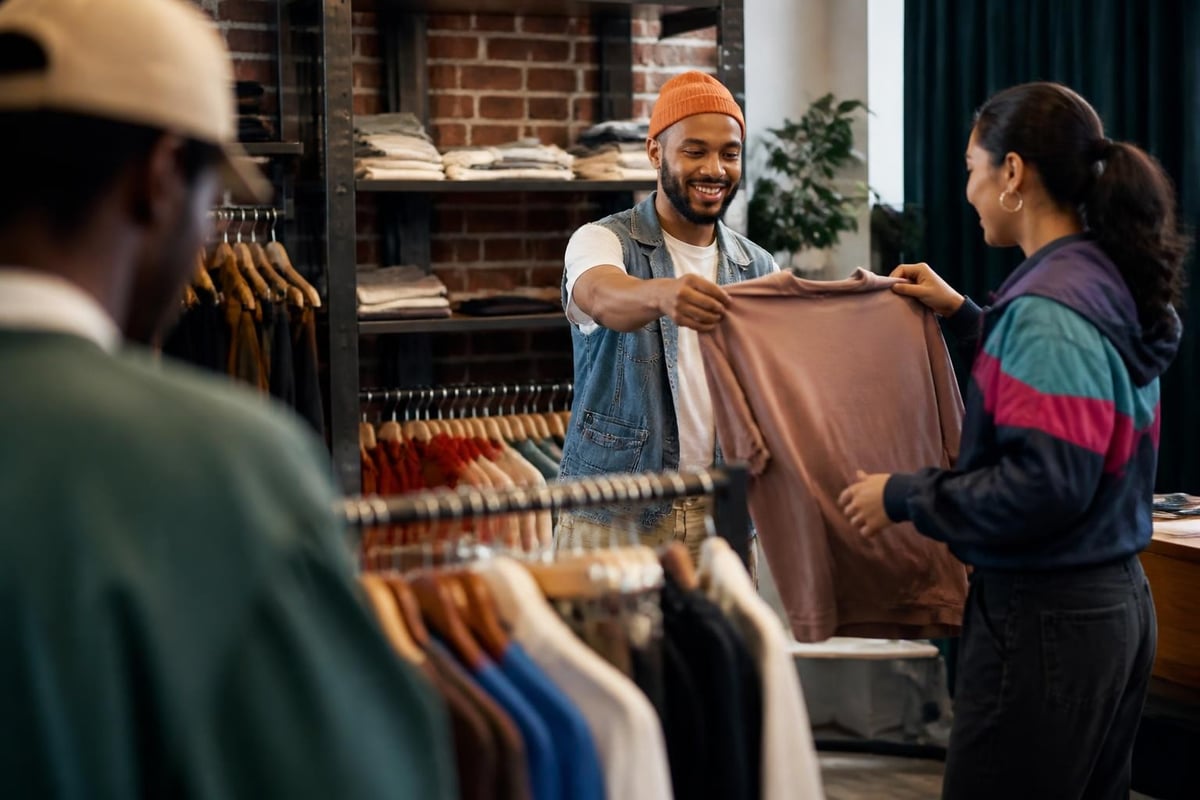
Sustainability and Ethical Practices
Environmental consciousness has shifted from niche concern to mainstream expectation. Modern consumers, particularly younger demographics driving streetwear culture, demand transparency around production practices and environmental impact.
Sustainable Sourcing Strategies
An urban clothing shop committed to sustainability must examine every supply chain aspect. This includes:
- Partnering with manufacturers using eco-friendly materials
- Reducing packaging waste through minimal, recyclable solutions
- Implementing take-back programs for worn garments
- Supporting local production when feasible to reduce transportation emissions
The fashion rental movement offers alternative business models that extend product lifecycles while meeting consumer desires for variety without waste.
Communicating Your Values Authentically
Greenwashing damages brand credibility faster than genuine sustainability efforts build it. Transparent communication about progress, challenges, and ongoing commitments resonates more powerfully than perfection claims.
Share specific details such as:
- Percentage of products using sustainable materials
- Partnerships with environmental organisations
- Carbon offset initiatives for shipping operations
- Fair labour certifications from manufacturing partners
Pricing Strategies and Market Positioning
Pricing your streetwear appropriately requires balancing perceived value, production costs, and market expectations. An urban clothing shop operates across various price tiers, each serving different customer segments and business objectives.
Understanding Value Perception
Streetwear consumers generally prioritise quality and uniqueness over rock-bottom prices. They understand that premium materials, limited production runs, and authentic design warrant higher price points than fast fashion alternatives.
Consider how luxury streetwear brands position themselves:
- Entry-level pieces (accessories, basic tees) creating accessibility
- Mid-tier essentials (hoodies, shorts) representing core offerings
- Premium limited editions generating excitement and exclusivity
- Collaborative releases commanding higher prices through scarcity
Promotional Strategies That Protect Brand Value
While seasonal sales and promotions drive traffic, excessive discounting undermines brand perception. Instead, strategic approaches include:
- Bundle offers encouraging higher cart values
- Loyalty member exclusive pricing
- Limited-time new customer discounts
- End-of-season clearance for discontinued styles only
Retail industry analysis reveals that promotional strategies must balance revenue generation with long-term brand positioning.
Marketing and Brand Awareness
Cutting through noise in competitive streetwear markets requires creative marketing that feels authentic rather than corporate. Your urban clothing shop needs multichannel strategies that build awareness while strengthening community connections.
Content Marketing Excellence
Educational and entertaining content positions your brand as an industry resource rather than just another retailer. Comprehensive guides on streetwear topics attract organic traffic while demonstrating expertise.
Effective content types include:
- Styling guides showing how to wear specific pieces
- Behind-the-scenes looks at design and production
- Interviews with artists and collaborators
- Trend forecasts and fashion commentary
- Care instructions maximising product longevity
Collaboration and Partnership Opportunities
Strategic collaborations expand reach while bringing fresh perspectives to your urban clothing shop. Partnerships might involve:
- Local artists creating limited-edition graphics
- Musicians designing capsule collections
- Athletes representing brand values
- Complementary brands cross-promoting to aligned audiences
- Community organisations supporting social causes
These collaborations generate authentic stories that resonate across marketing channels while strengthening your position within street culture.
Operational Excellence Behind the Scenes
While customers see finished products and polished storefronts, operational efficiency determines whether your urban clothing shop thrives long-term. Systems, processes, and logistics enable everything visible to customers.
Inventory Management Systems
Proper inventory control prevents both stockouts that lose sales and overstock that ties up capital. Modern inventory systems provide:
- Real-time stock level tracking across all channels
- Automated reorder points for bestselling items
- Seasonal demand forecasting
- Return and exchange processing
- Integration with suppliers for seamless ordering
For businesses exploring heavyweight t-shirts or oversized tees, understanding sizing preferences and seasonal demand patterns optimises stock allocation.
Supplier Relationship Management
Your suppliers directly impact product quality, delivery timelines, and ultimately customer satisfaction. Strong supplier relationships provide:
| Supplier Benefit | Business Impact |
|---|---|
| Priority production slots | Faster turnaround on new designs |
| Flexible minimum orders | Testing new products with less risk |
| Quality consistency | Reduced returns and complaints |
| Collaborative development | Innovation in materials and techniques |
Building these partnerships requires clear communication, fair payment terms, and mutual respect for each party's expertise.
Future-Proofing Your Streetwear Business
The streetwear industry evolves rapidly, with trends, technologies, and consumer preferences shifting constantly. An urban clothing shop positioned for long-term success maintains flexibility while staying true to core brand values.
Embracing Technological Innovation
Technology continues reshaping retail experiences in ways that seemed futuristic just years ago. Forward-thinking businesses explore:
- Virtual try-on capabilities using augmented reality
- Blockchain authentication for limited-edition pieces
- AI-powered personalisation engines recommending products
- Video commerce integrating entertainment with shopping
Research on video-to-shop challenges demonstrates growing opportunities for retailers who master visual commerce across social platforms.
Adapting to Market Changes
Resilience requires monitoring industry trends while remaining authentic to your brand identity. This means selectively incorporating relevant movements while ignoring passing fads that contradict your positioning.
Successful adaptation strategies include:
- Regular customer feedback collection and analysis
- Competitor monitoring without imitation
- Testing new product categories on small scales
- Diversifying revenue streams beyond core products
- Investing in staff training and development
Building Your Streetwear Legacy
Establishing an urban clothing shop that stands the test of time requires vision extending beyond quarterly sales targets. Legacy brands become cultural institutions because they consistently deliver quality, authenticity, and community value.
Long-Term Brand Building
Short-term thinking sacrifices sustainable growth for immediate gains. Instead, focus on:
- Maintaining quality standards even when costs increase
- Nurturing customer relationships beyond individual transactions
- Supporting emerging designers and artists
- Documenting your brand journey authentically
- Staying true to founding principles during expansion
Australian streetwear brands that achieve lasting success demonstrate commitment to these principles consistently.
Measuring What Matters
Data-driven decision making improves outcomes across every business area. However, not all metrics deserve equal attention. Prioritise measurements that align with strategic objectives:
- Customer lifetime value over one-time purchase amounts
- Repeat purchase rates indicating satisfaction
- Social media engagement quality rather than just follower counts
- Net promoter scores revealing advocacy levels
- Sustainability metrics tracking environmental progress
Your urban clothing shop should track these indicators regularly, adjusting strategies based on trends and patterns rather than isolated incidents.
Building a successful urban clothing shop in 2026 requires balancing authenticity with innovation, community focus with business acumen, and trend awareness with timeless style. The strategies outlined here provide a foundation for creating retail experiences that resonate with streetwear enthusiasts while building sustainable business growth. Whether you're searching for quality everyday essentials or statement pieces that express your unique style, BLNCE Streetwear delivers comfortable, fashion-forward pieces designed for real life. Explore the collection today and discover how balance transforms your wardrobe.